Barcelona has no shortage of extraordinary modernista architecture, but Casa Comalat remains one of the district’s best-kept secrets. Designed by Salvador Valeri i Pupurull and completed in 1911, this undulating apartment building in the Eixample often goes unnoticed by tourists rushing between more famous landmarks — which makes discovering it all the more satisfying.
Two Facades, One Remarkable Building
Casa Comalat occupies a corner plot and presents two very different faces to the world. The main facade on Carrer de Còrsega features sweeping, wave-like balconies and ceramic tile work that clearly shows the influence of Gaudí’s organic style. The secondary facade on Carrer de Còrsega is more restrained but equally distinctive, with wooden gallery shutters that bow outward in gentle curves.
The building was designed for the Comalat family as a private residential property. Unlike many modernista buildings, it was never converted into offices or a museum — people still live here, which gives it a wonderfully lived-in quality. You won’t be able to enter, but the exterior alone is worth a detour.
Why It’s Worth Seeking Out
In a city where Gaudí’s buildings attract millions of visitors, Casa Comalat offers something increasingly rare: the chance to stand in front of a genuinely astonishing piece of architecture without a crowd. Valeri i Pupurull’s design shows just how widely Gaudí’s organic philosophy influenced his contemporaries, while remaining entirely original.
Finding Casa Comalat
The building is at Carrer de Còrsega, 316, in the Eixample district. The nearest metro stations are Diagonal (L3/L5) and Verdaguer (L4/L5). It’s easy to combine with visits to other nearby Eixample modernista buildings — Palau Macaya is just a short walk northeast, and the Block of Discord is a few blocks south on Passeig de Gràcia.
Few buildings in Barcelona stop pedestrians in their tracks quite like Casa de les Punxes — the House of Spikes. Rising at the intersection of Avinguda Diagonal and Carrer de Rosselló, this turreted, red-brick castle looks as though it was transported directly from a medieval Flemish city. It’s one of the most dramatic silhouettes in the entire Eixample district.
Puig i Cadafalch’s Gothic Masterpiece
Designed by Josep Puig i Cadafalch and completed in 1905, the building was actually three separate townhouses commissioned by the Terrades sisters — hence its other name, Casa Terrades. Puig i Cadafalch unified the three properties under a single neo-Gothic facade with six distinctive conical turrets (the “punxes” or spikes that give the building its nickname).
The building draws heavily on Northern European Gothic influence — a deliberate contrast to the more Mediterranean, organic forms of Gaudí’s work. Puig i Cadafalch was also a Catalan nationalist politician, and the building is rich in patriotic symbolism: look for the large ceramic panel depicting Sant Jordi (Saint George, patron saint of Catalonia) on the main facade.
What to See on Your Visit
The interior has been converted into an exhibition and visitor experience. You can explore the historical context of the building’s construction, the life of the Terrades family, and the world of Catalan modernisme. The rooftop terrace offers close-up views of the turrets and sweeping vistas over the Eixample grid.
Getting There
Casa de les Punxes is at Avinguda Diagonal, 420. The nearest metro station is Diagonal (lines L3 and L5). Tickets can be purchased online or at the door; guided tours are available in several languages. It’s easy to combine with a visit to the nearby Palau del Baró de Quadras (also by Puig i Cadafalch) just a short walk away.
Of all the modernista buildings lining Passeig de Gràcia, Casa Lleó Morera may be the most exquisitely crafted. Designed by Lluís Domènech i Montaner and completed in 1906, it stands at the corner of Passeig de Gràcia and Carrer del Consell de Cent — the third pillar of the famous Block of Discord alongside Casa Amatller and Casa Batlló.
A Facade of Extraordinary Detail
The exterior is a riot of floral decoration: stone-carved roses, lions (the lleó of the name), mulberry trees (morera), and ceramic tile mosaics cover virtually every surface. The corner tower is crowned with a circular gallery of windows that flood the interior with diffused light. Domènech i Montaner brought in Barcelona’s finest craftsmen — sculptors, stained-glass artists, cabinetmakers, and mosaic specialists — treating the building as a total work of art.
Tragically, the ground floor was stripped of many of its original sculptures during renovations in the 1940s. But the upper floors, accessible via guided tour, remain largely intact and preserve some of the most breathtaking modernista interiors in the city.
The Interior: Stained Glass and Mosaic Splendour
Inside, the rooms feature elaborate stained-glass windows depicting scenes of early 20th-century Catalan life, mosaic floors with intricate geometric patterns, and carved wooden furniture designed specifically for the space. The main living areas have been carefully restored and give a vivid impression of how Barcelona’s wealthy bourgeoisie lived during the city’s modernista golden age.
How to Visit
Guided tours of the interior must be booked in advance via the official website. The address is Passeig de Gràcia, 35. Tours last approximately 45–60 minutes and are available in Catalan, Spanish, and English. The building is not as widely visited as its neighbours, so tours tend to be smaller and more intimate — a real advantage if you want to ask questions and explore at a relaxed pace.
Casa Amatller sits right in the heart of Barcelona’s famous Manzana de la Discordia — the Block of Discord — where three rival modernista masterpieces compete for your attention on a single stretch of Passeig de Gràcia. Designed by Josep Puig i Cadafalch and completed in 1900, it’s the one with the distinctive stepped Dutch gable facade that looks almost Flemish from the outside.
Antoni Amatller: Chocolate Magnate and Photography Pioneer
The building was commissioned by Antoni Amatller, heir to a major Catalan chocolate dynasty and a passionate photographer and traveller. His personal collections — medieval glassware, photography equipment, art objects gathered from across Europe — shaped the interior’s eclectic character. The building was both his home and a showcase for his refined tastes.
Today the Amatller Institute of Hispanic Art occupies the upper floors, preserving the original photographic archive and continuing cultural activities in Amatller’s name. But for visitors, the main draw is the richly decorated interior and, of course, the chocolate.
The Chocolate Shop and Hot Chocolate Experience
Amatller chocolate is still produced and sold today, and the ground-floor shop inside Casa Amatller is the ideal place to pick up beautifully packaged bars and gifts. Even better: sign up for a hot chocolate tasting in the building’s original dining room. Sipping thick Spanish-style hot chocolate beneath Puig i Cadafalch’s carved ceilings is genuinely memorable.
Visiting Tips
The ground floor and shop are free to enter. For a deeper visit — including access to the main hall, the Amatller apartment, and the photographic exhibition — book a guided tour online. Tours run in multiple languages. The building is located at Passeig de Gràcia, 41, directly next to Casa Batlló and across from Casa Lleó Morera, making it easy to combine all three in a single afternoon stroll.
Tucked away in the upper reaches of Barcelona’s Sarrià-Sant Gervasi district, Torre Bellesguard stands as one of Antoni Gaudí’s best-kept secrets. Far fewer tourists make the climb up here than to the Sagrada Família or Park Güell — yet those who do are rewarded with a genuinely extraordinary experience.
A Royal Setting with a Gothic Soul
The site itself has centuries of history. King Martí I of Aragon built a summer palace here around 1408, and the ruins of that medieval structure still underpin the current building. Gaudí incorporated the original gothic arches and turrets into his design, blending the medieval past with his signature modernista style.
Construction of the current house took place between 1900 and 1909. Gaudí completed the main structure before handing the project to his collaborator Domènec Sugrañes, who finished the work. The result is a building that feels simultaneously ancient and forward-looking — classic Gaudí.
What to See Inside
The guided tour takes you through the stained-glass windows, the parabolic brick vaults, and the rooftop terrace with its four-armed cross and views over the city. Look out for the ceramic tile details, the mosaic-decorated battlements, and the way natural light shifts through the narrow windows throughout the day.
The interior rooms remain privately owned by the Guilera family, but the guided visits give you full access to the highlights. The estate’s garden is also worth exploring — ancient stone walls frame a tranquil space that feels a world away from the tourist crowds below.
Practical Information
Torre Bellesguard is located at Carrer de Bellesguard, 20. The nearest public transport is the FGC station at Sarrià or bus lines 60 and 123. Guided tours run Tuesday through Sunday; booking online in advance is strongly recommended as group sizes are limited. Allow around 60–75 minutes for the full visit.
Entry costs are moderate compared to other Gaudí sites — and the lack of crowds makes the experience feel far more personal. If you’ve already checked off the famous landmarks and want to see a different, more intimate side of Gaudí’s genius, Torre Bellesguard deserves a spot on your itinerary.
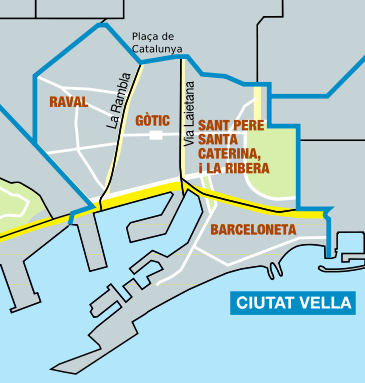
The Gothic Quarter (also known as Barri Gòtic in Catalan) is a historic neighborhood located in the center of Barcelona, Spain. It is one of the city’s most popular tourist destinations, known for its narrow, winding streets, medieval buildings, and historical monuments. The neighborhood is located just to the east of Plaça Catalunya, and covers an area of approximately 1 square kilometer.
The Gothic Quarter is a well-preserved example of medieval architecture, with many buildings dating back to the 13th and 14th centuries. Some of the most notable monuments in the neighborhood include the Cathedral of Santa Eulàlia, the church of Santa Maria del Pi, and the Plaça del Rei, which houses the Royal Palace of the Gothic Quarter.
In addition to its historical significance, the Gothic Quarter is also known for its vibrant cultural scene, with numerous art galleries, boutiques, restaurants, and bars located throughout the neighborhood. Whether you’re interested in exploring the city’s history and architecture, or simply want to experience its lively atmosphere, the Gothic Quarter is a must-visit destination for anyone visiting Barcelona.
Pubs at Gothic Quarter
The Gothic Quarter in Barcelona, Spain, is known for its historic architecture, charming streets, and vibrant nightlife, and there are many bars and pubs located within the neighborhood. Here is a list of some of the most popular places to grab a drink in the Gothic Quarter:
O’Connell’s Irish Pub – an authentic Irish pub that offers a lively atmosphere, live music, and a wide selection of beers and spirits.
Boadas Cocktail Bar – a historic bar that claims to be the first cocktail bar in Barcelona and is known for its classic cocktails and elegant atmosphere.
The George Payne – an Irish pub that offers a cozy atmosphere, live music, and a wide selection of beers and spirits.
Bar Marsella – a historic bar that dates back to 1820 and is known for its traditional Spanish cocktails, such as absinthe and vermouth.
El Xampanyet – a casual bar that specializes in cava, a type of Spanish sparkling wine, and offers a laid-back atmosphere and small plates of traditional Spanish food.
El Sortidor – a bar that offers a selection of craft beers, cocktails, and a laid-back atmosphere.
These are just a few examples of the many bars and pubs located in the Gothic Quarter in Barcelona. Whether you’re looking for a lively night out, a cozy place to relax with a drink, or a taste of traditional Spanish drinks, the Gothic Quarter has something for everyone.
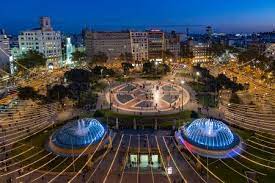
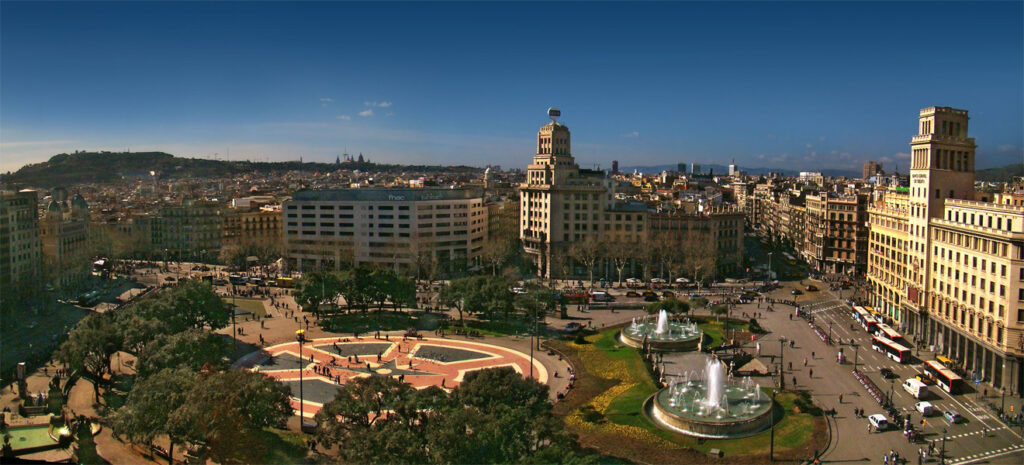
Plaça Catalunya is a square located in the center of Barcelona, Spain. It is considered one of the city’s main public spaces and a transportation hub, as it is a stop for several bus and metro lines. Plaça Catalunya is surrounded by shops, cafes, and attractions such as the Gothic Quarter, La Rambla, and the Passeig de Gracia. The square is also a popular gathering place for locals and tourists alike, and is often the site of public events and protests.
Plaça Catalunya is a square located in the center of Barcelona, Spain, and is a popular tourist destination. It is known for its large number of pigeons that gather in the square, making it a common sight for visitors. People often come to feed the pigeons and watch them interact with each other. While the pigeons can be a charming addition to the square, they can also be considered a nuisance by some, as they can create messes and disrupt the public space.
Plaça Catalunya is a central square in Barcelona, Spain, and is a popular gathering place for locals and tourists alike. Throughout the year, various festivals and events are held in the square, ranging from cultural festivals, to political rallies, to seasonal celebrations. Some of the most popular festivals held at Plaça Catalunya include La Mercè, Barcelona’s main festival celebrating the city’s patron saint, and the Barcelona Festival, which showcases the best in local and international music, dance, and theater. These events draw large crowds and provide a lively atmosphere in the heart of the city.
How arrive at Plaça Catalunya
There are several ways to arrive at Plaça Catalunya in Barcelona, Spain:
By Metro: Plaça Catalunya is served by several metro lines, including L1 (Red Line) and L3 (Green Line). The station “Plaça Catalunya” is located at the northern end of the square and provides easy access to the surrounding areas of the city.
By Bus: Several local and regional buses stop at Plaça Catalunya, including the Aerobús, which provides direct service to and from Barcelona’s airport.
By Train: The square is also located near the Sants train station, which provides access to regional and national trains.
By Foot: Plaça Catalunya is located in the heart of the city, and is easily accessible on foot from many surrounding neighborhoods and tourist attractions.
Regardless of the mode of transportation, Plaça Catalunya is well-connected and easy to reach.
Monuments near Plaça Catalunya in Barcelona
There are several notable monuments and tourist attractions located near Plaça Catalunya in Barcelona, Spain:
La Rambla: La Rambla is a bustling boulevard that runs through the heart of the city, and is located just a few minutes’ walk from Plaça Catalunya.
Casa Batlló: Casa Batlló is a modernist building designed by the famous architect Antoni Gaudí, and is located just a few blocks from the square.
Palau de la Música Catalana: This concert hall is a prime example of Catalan modernist architecture and is located just a few minutes’ walk from Plaça Catalunya.
Gothic Quarter: The Gothic Quarter is a historic neighborhood located just to the east of Plaça Catalunya, and is known for its narrow streets, medieval buildings, and historical monuments.
Picasso Museum: The Picasso Museum is a major art museum located in the Gothic Quarter, and is dedicated to the work of the famous Spanish painter Pablo Picasso.
These monuments and attractions, along with Plaça Catalunya itself, are some of the most popular tourist destinations in Barcelona, and offer a wealth of cultural and historical experiences for visitors.
Shopping
Plaça Catalunya is a central square located in the heart of Barcelona, Spain, and is one of the city’s main shopping destinations. The square is surrounded by several large department stores, including El Corte Inglés and FNAC, as well as numerous smaller shops and boutiques that offer a wide range of products, from clothing and accessories, to electronics and gifts.
In addition to its retail offerings, Plaça Catalunya is also home to several shopping centers, including the Arenas de Barcelona shopping center, which is housed in a restored bullring and offers a range of shops, restaurants, and leisure facilities.
Whether you’re looking for high-end fashion, souvenirs, or just want to browse the latest trends, Plaça Catalunya is a great place to start your shopping adventure in Barcelona. With its central location and well-connected transportation links, it’s easy to reach from anywhere in the city.
There are many shops and stores located in and around Plaça Catalunya in Barcelona, Spain. Here is a list of some of the most well-known retail locations:
El Corte Inglés – a large department store that offers a wide range of products, from clothing and accessories, to electronics and home goods.
FNAC – a French electronics and media retailer that sells books, music, movies, video games, and more.
Zara – a fast-fashion retailer that offers trendy clothing and accessories for men, women, and children.
H&M – a popular fashion retailer that offers stylish clothing and accessories at affordable prices.
Mango – a Spanish clothing and accessories retailer that specializes in fashion-forward styles for women.
Pull & Bear – a fast-fashion retailer that offers trend-driven clothing and accessories for men and women.
Bershka – a youth-oriented fashion retailer that offers clothing and accessories for men and women.
These are just a few examples of the many shops and stores located in and around Plaça Catalunya in Barcelona. Whether you’re looking for high-end fashion or more affordable styles, there’s something for everyone in this popular shopping destination.
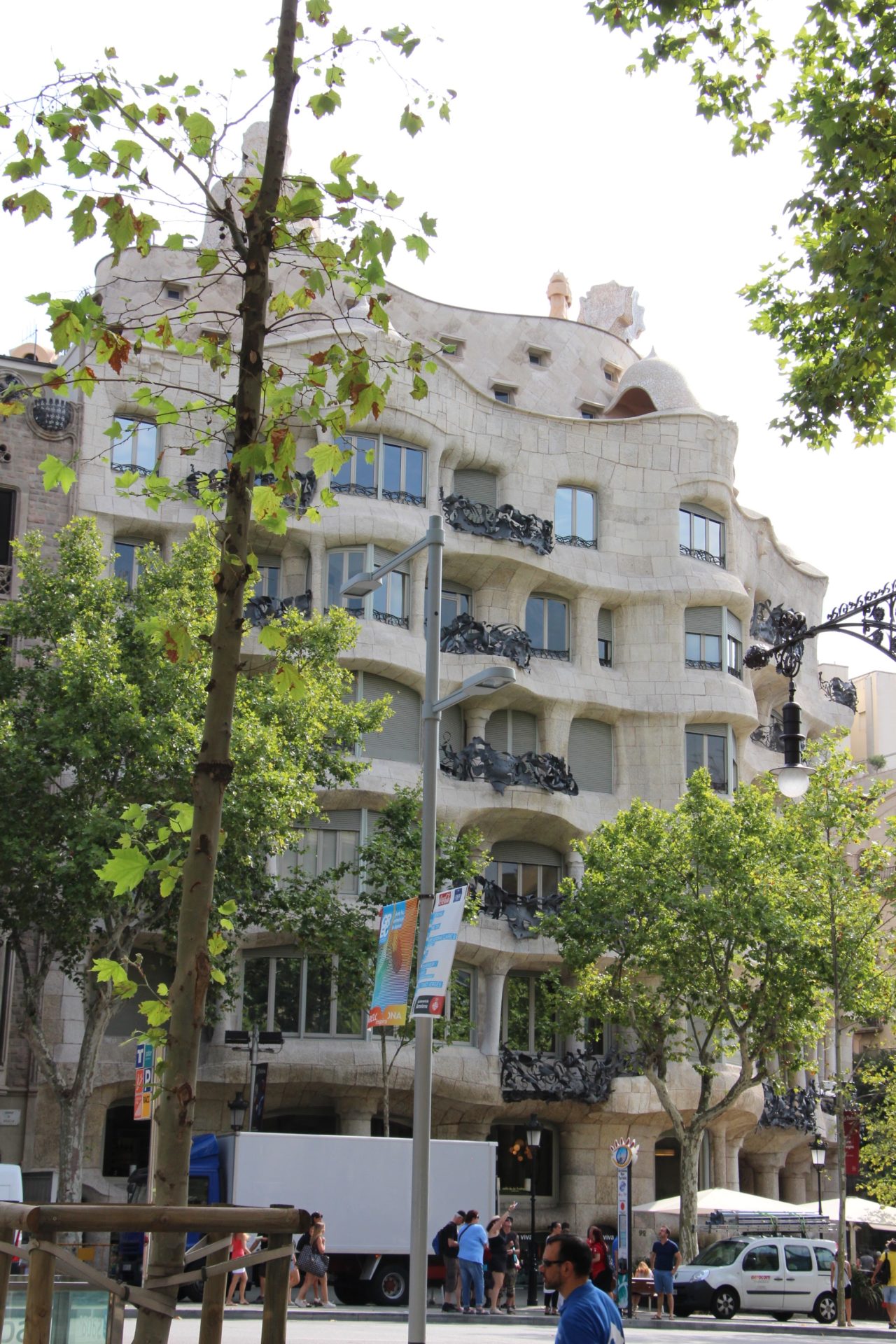
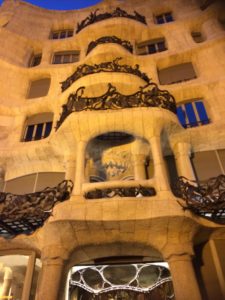
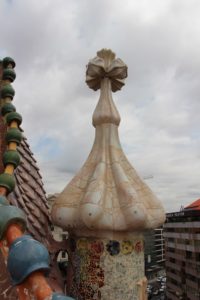
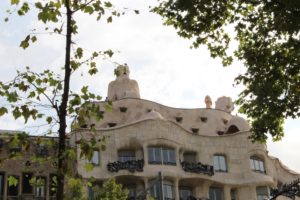
La Pedrera is Good and beautiful museum and building. You got a real perspective of living in the house and you learn about gaudi.
Barcelona 1900
In the year 1900, Passeig de Gràcia was the most important avenue in Barcelona. It was here that iconic buildings began to spring up, and the finest theatres and cinemas, and the most exclusive shops, restaurants and cafés opened.
It was also the boulevard on which the wealthiest and most ambitious members of the bourgeoisie decided to build their homes, vying with each other in a bold and exhibitionist manner by commissioning the most eminent architects of the day to undertake their projects.
A home for Pere Milà and Roser Segimon
In 1905, Pere Milà and Roser Segimon married. Attracted by the fame of Passeig de Gràcia, they purchased a detached house with garden situated on a plot measuring 1,835 square metres and they commissioned the architect Antoni Gaudi to build their new property. The main floor of this new building, Casa Mila, was to be their home and they would rent out the other apartments.
The construction (1906-1912)
There was considerable interest in the construction of Casa Mila and various reports about it were published, such as the piece in L’Edificació Moderna, magazine, the publication of the construction employers’ association.
The article stated that Gaudi was determined to meet the needs of modern life “without the nature of the materials or their resistance being an obstacle that limits his freedom of action”, and it described the structure of columns as an innovation that would result in large and well-lit spaces.
The construction of the building was complex and was fraught with financial and legal problems. Nor was it free from controversy. Gaudi kept changing his projects to shape the appearance the structures of the building as the work advanced. He went well over the expected budget and did not abide by the City Council’s building codes: the built volume was illegal; the attic and the rooftop exceeded the permitted maximums; and one of the pillars of the façade occupied part of the pavement on Passeig de Gràcia.
When Gaudi discovered that an inspector had been by to alert the builder, Mr. Bayó, to these illegalities, he left very precise instructions. If the inspector came back and the column had to be cut, Gaudi would have a plaque put up, stating “the section of column that is missing was cut at the order of the City Council”.
In the end, the Eixample Commission certified that the building was a monument in nature and did not need to conform strictly to the municipal bylaws. Even so, the Milàs had to pay a fine of 100,000 pesetas to legalise the building.
The Milàs argued with Gaudi over his fees and they even went to court over them. Gaudi won the case and Roser Segimon had to mortgage Casa Mila to pay the architect, who donated the compensation to a convent of nuns.
The first tenants
In the early years, advertisements were published in La Vanguardia newspaper, offering rooms to rent in Casa Mila, looking for servants for one or other of the tenants, and even advertising English classes with a teacher named Miss Dick.
The tenants included: the Pensió Hispano-Americana (1912-1918); Alberto I. Gache (Buenos Aires, 1854 – Montevideo, 1933), consul of the Argentine Republic to Barcelona, who lived at apartment 1r 2a from 5 August 1911 to the end of 1919; Mercè Duran and Paco Abadal, who moved into apartment 3r 1a and lived there from 1912 to late 1930; the Egyptian prince Ibrahim Hassan (Cairo, 1879 – Barcelona, 1918), who died in his home in La Pedrera on Passeig de Gràcia; and the Baladia family, textile industrialists who rented apartment 2n 2a on Carrer Provença as a pied-à-terre, a practical and small central flat where they could spend the night after they had been out late at the Liceu opera house, the Palau de la Música concert hall, the theatre or a celebratory event in Barcelona.
In 1929, shops started to open in the ground floor of the building, among them the famous Sastreria Mosella tailor’s shop, which remained there for over 80 years.
In 1946 Roser Segimon, who by now had been a widow for six years, sold the building to the Immobiliària Provença real estate company, though she continued to live in the apartment on the main floor until her death in 1964.
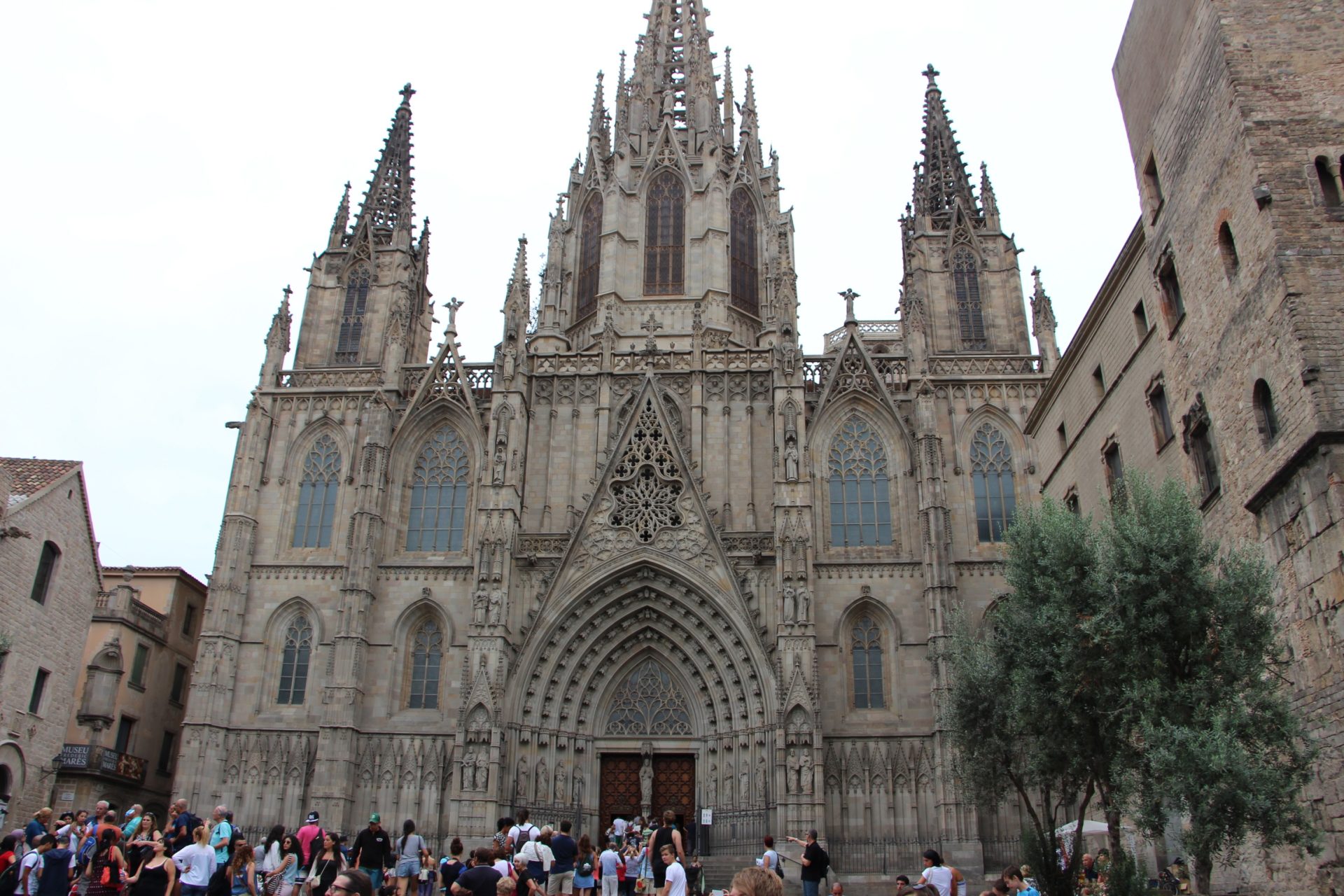
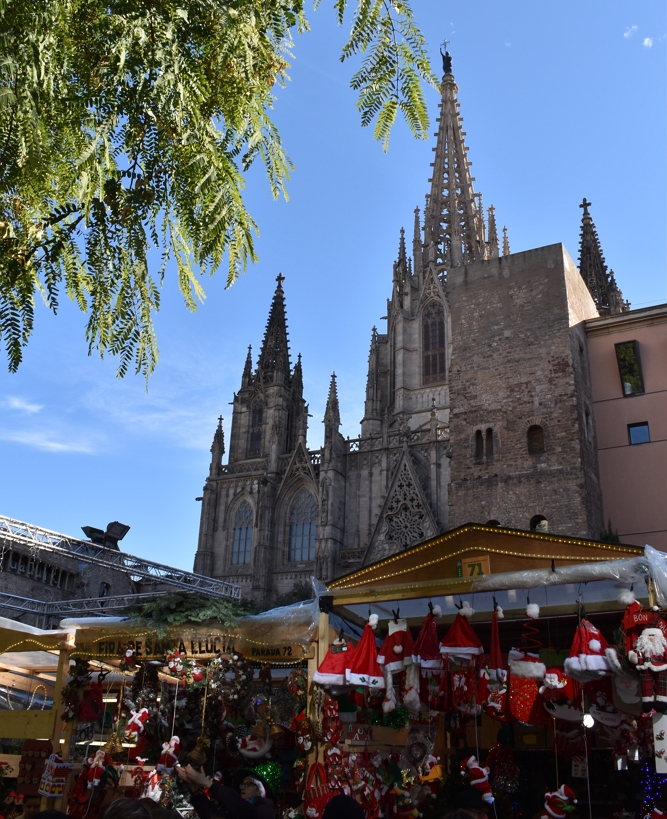
Barcelona Cathedral. The Cathedral of the Holy Cross and Saint Eulalia ( Catalan: Catedral de la Santa Creu i Santa Eulàlia, Spanish: Catedral de la Santa Cruz y Santa Eulalia ), also known as Barcelona Cathedral, is the Gothic cathedral and seat of the Archbishop of Barcelona, Spain.
The word Cathedral is a synonym of See. Cathedral derives from the word cathedra (seat) and is, in effect, the residence of the dioceses’ Bishop. The place from which he teaches and explains Christian doctrine to the faithful.
Construction of the magnificent Gothic Cathedral of Barcelona commenced on 1 May 1298, on the site of a Romanesque temple. The work was carried out in three stages over 150 years. As is true for many religious buildings, construction had to move at a slow pace. The main façade was raised at the end of the 19th century, while the 90-meter high cimborio went up in 1913. In 1969 the blackened domes were cleaned, the altar adapted, illumination installed and the archives were renovated. These actions were carried out following the guidelines established in Vatican Council II. The façade and cimborio were restored between 2004 and May of 2012; that work has not yet been completed and includes restoration of the rooftops and the bell tower.
Our beautiful Cathedral receives three million visitors each year. The magnificence of its Gothic art, the splendid Gothic and Baroque altarpieces, its marvelous choir, the baptistery and the sepulcher of Saint Eulalia are evident to all observers.
Naturally, our See, located in Barcelona’s Gothic neighborhood, offers all the fundamental religious services. There are daily Masses, well-attended confessions, baptisms of children and adults. We also provide shelter and vigil services, aimed at maintaining order and attending to those people who require special attention. Of particular interest is the conventual Mass held every Sunday, with the intervention of the famous Francesc Valls chamber choir.
The See of Barcelona is both beautiful and well-cared for. The Canons – the priests responsible for its upkeep – ensure that worship services are appropriately maintained and that faithful and visitors alike feel at home. Indeed, the Cathedral is the house of Our Lord and also that of all human beings.
We hope that this site helps you to find what you expect from the Cathedral of Barcelona. You will be surprised by what is has to offer as a temple, a museum, a sanctuary,…. The faithful will find sustenance for their souls and everyone’s spirits will be lifted on contemplating the beauty of this monument.
Cathedral Visit in 2021
Chor entrance + Acces to the rooftop + Chapter hall + Virtual Audioguide €9.00
ENTRANCES
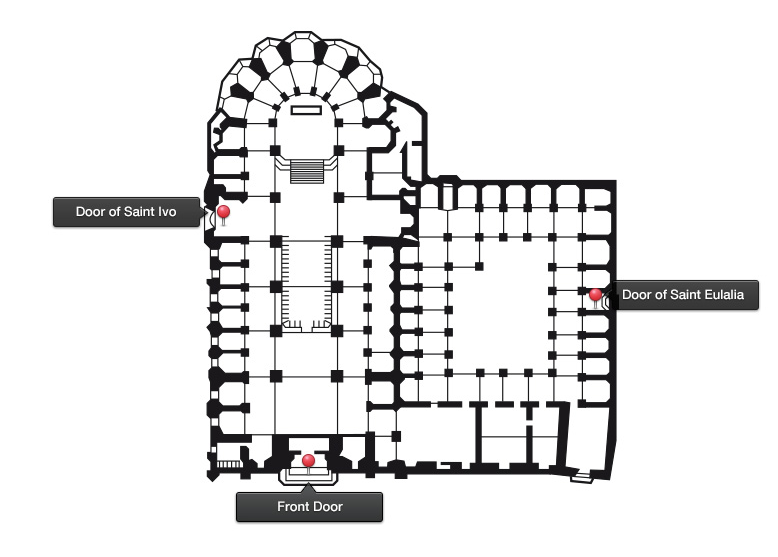
Main Door (Pla de la Seu)
Door of Saint Eulalia (Carrer del Bisbe): accesible by persons whith reduced mobility
Doors close five minutes before closing time.
VISITING TIMES FOR THE CATHEDRAL
WEEK DAYS
Opening hours for worship and prayer: from 8:30 a.m. to 12:30 p.m. and from 5:45 p.m. to 7:30 p.m.
Cultural and tourist visit hours: from 10:30 a.m. to 6:30 p.m. (access will be closed at 6:00 p.m.)
SATURDAYS AND FESTIVE VIGIL (RELIGIOUS)
Opening hours for worship and prayer: from 8:30 a.m. to 12:30 p.m. and from 5:15 p.m. to 8:00 p.m.
Cultural and tourist visit hours: from 10:30 a.m. at 5:00 p.m. (access will be closed at 4:30 p.m.)
SUNDAYS AND FESTIVE (RELIGIOUS)
Opening hours for worship and prayer: from 8:30 a.m. to 1:45 p.m. and from 5:15 p.m. to 8:00 p.m.
Cultural and tourist visit hours: It will not be done until further notice
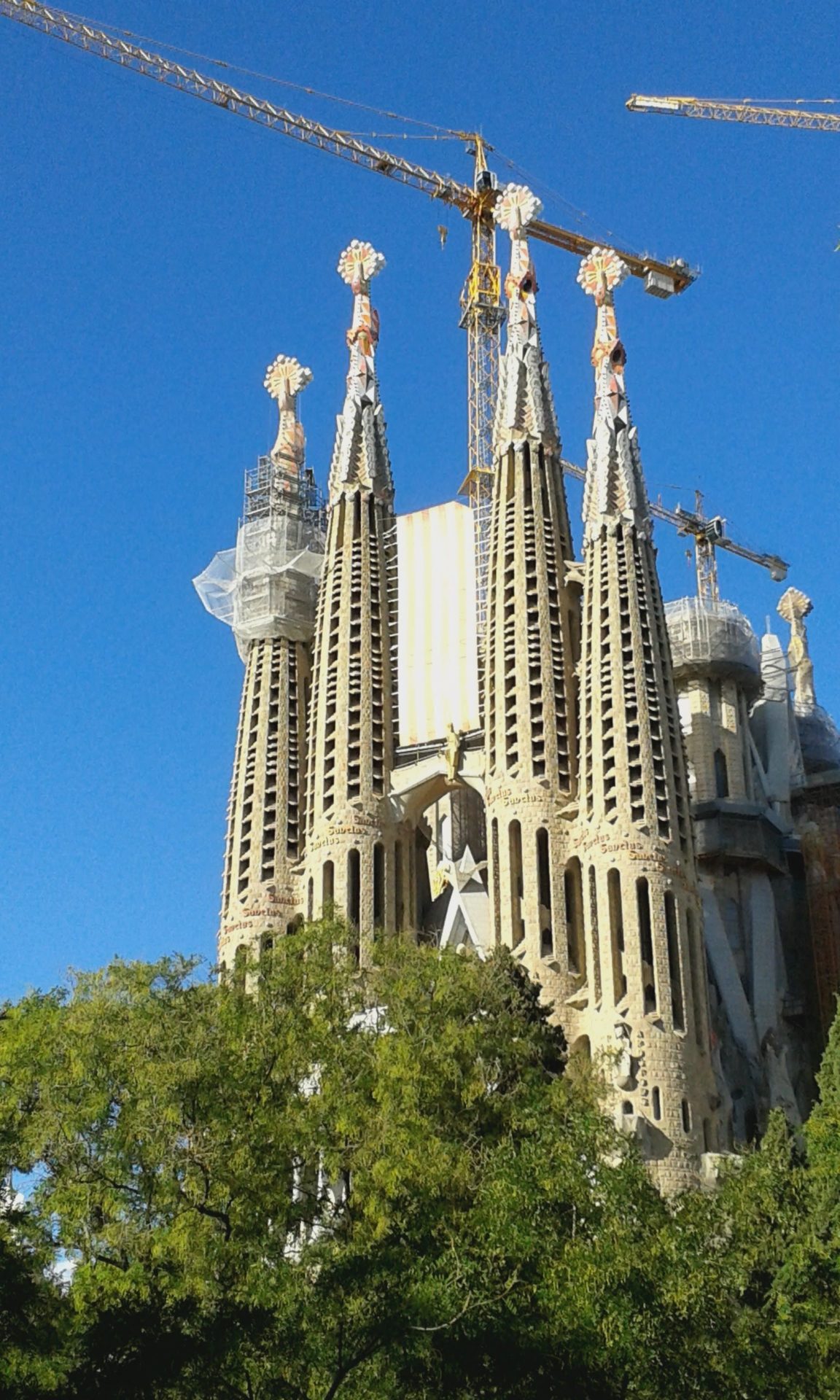
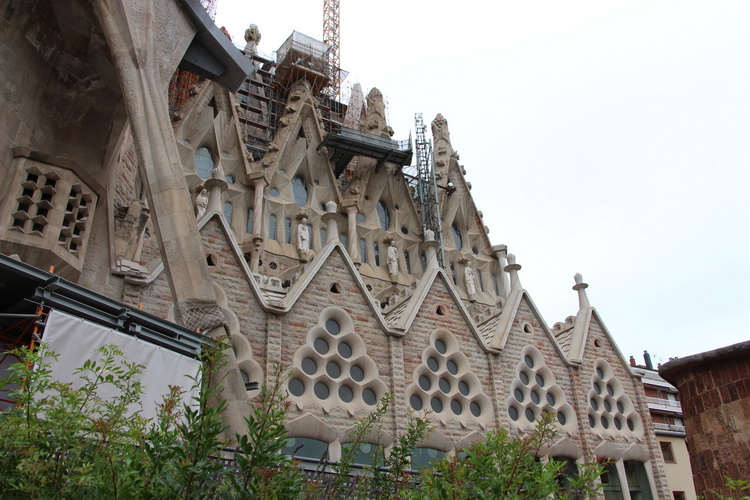
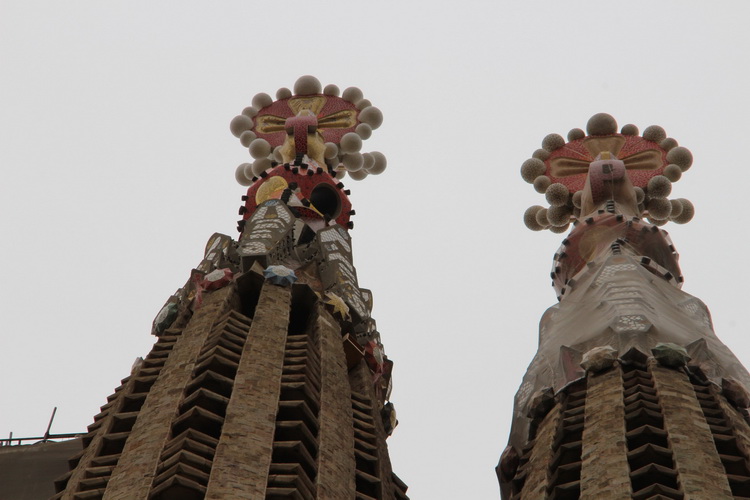
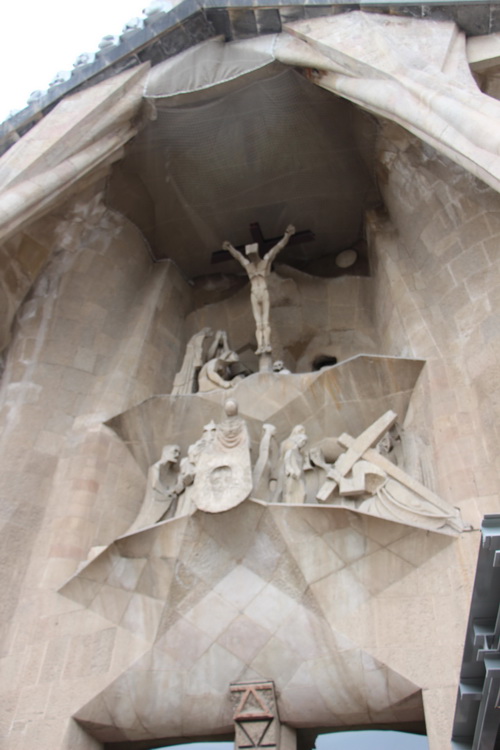
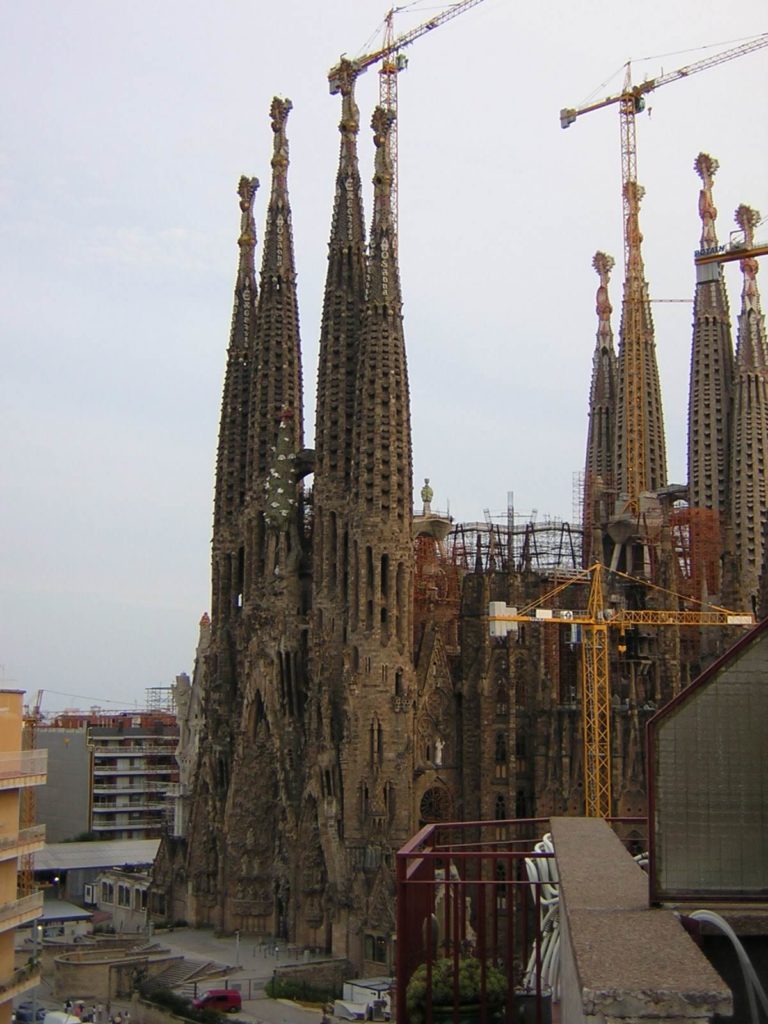
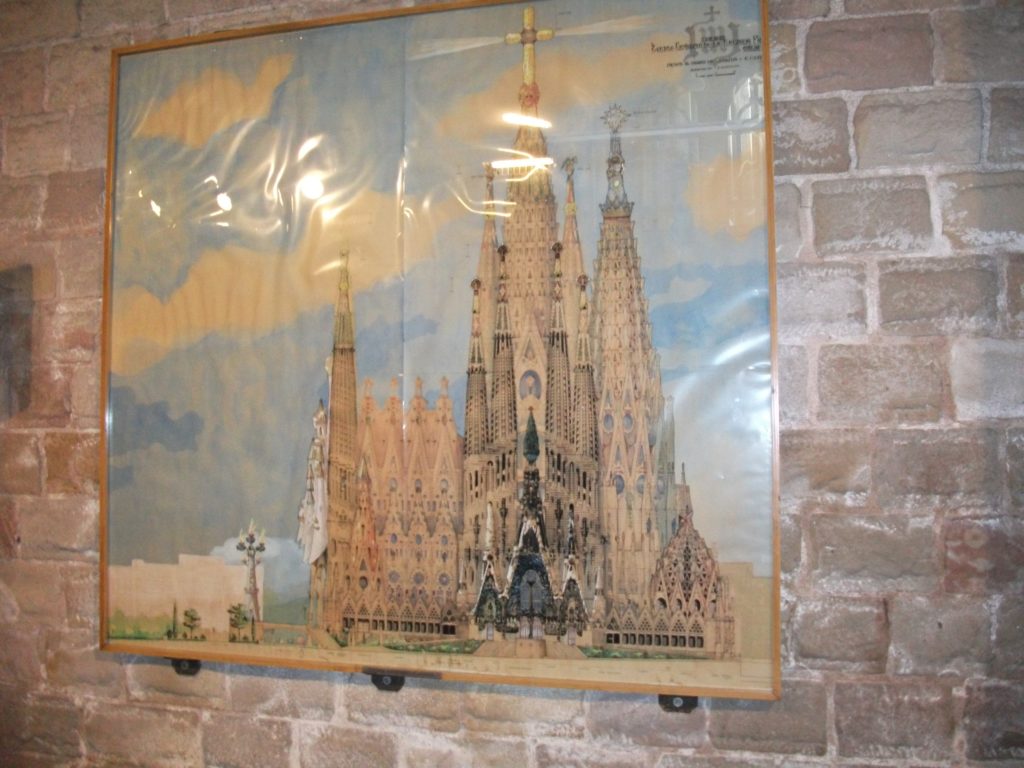
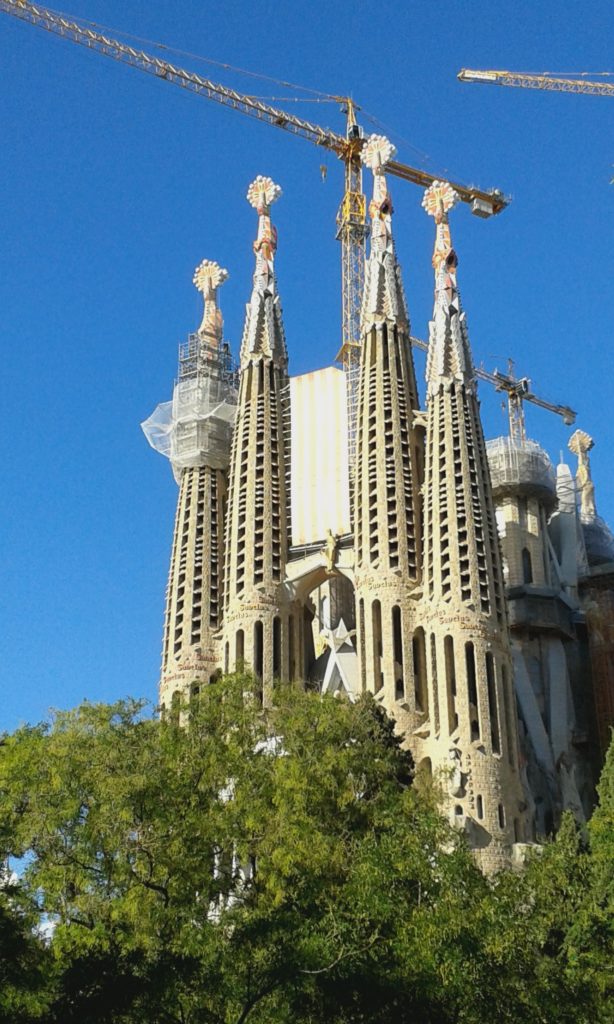
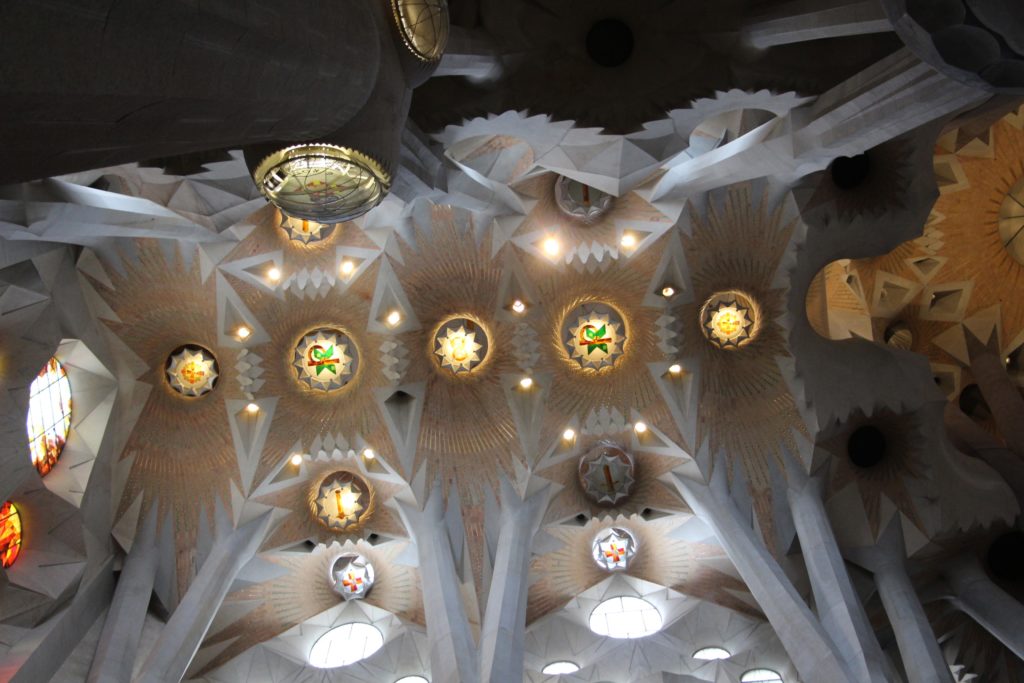
The Sagrada Família is a one-of-a-kind temple, for its origins, foundation and purpose. Fruit of the work of genius architect Antoni Gaudí, the project was promoted by the people for the people. Five generations now have watched the Temple progress in Barcelona. Today, more than 135 years after the laying of the cornerstone, construction continues on the Basilica.
ANTONI GAUDÍ
Reus, 25 June 1852 – Barcelona, 10 June 1926
Ahead of his time, unique. A man of faith, observer of nature and genius architect, Antoni Gaudí has become a universal figure in modern architecture. His contribution to this discipline broke all the established rules. With never-before-seen building and structural systems, he created his own unique, unprecedented methodology and a style suffused with symbolism with the utmost care in every detail, showing his love of artisan trades.
UNESCO World Heritage
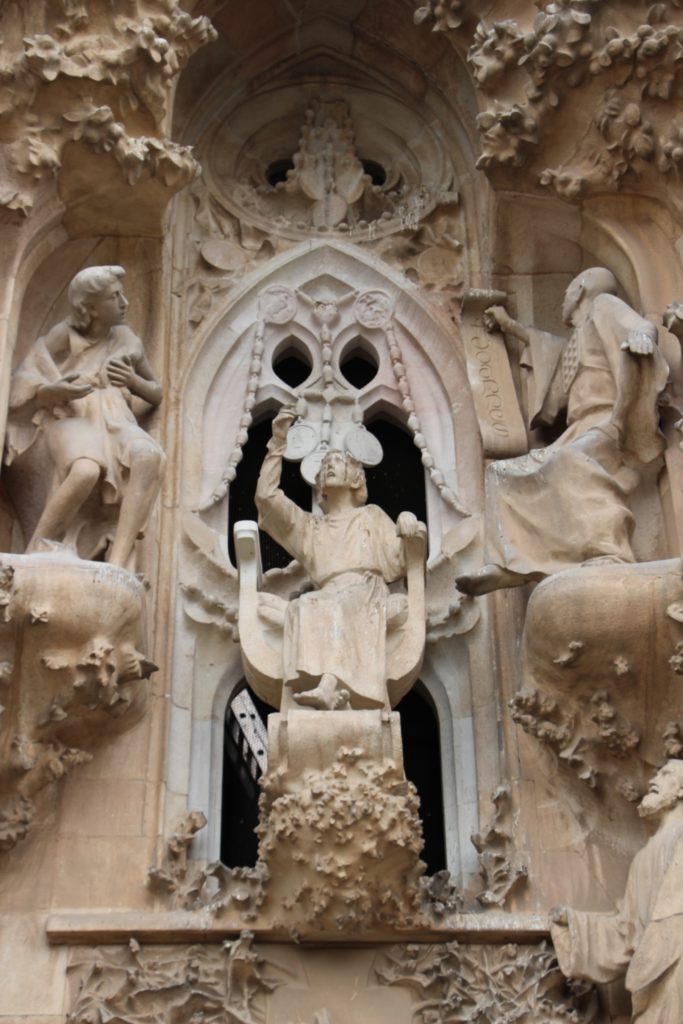
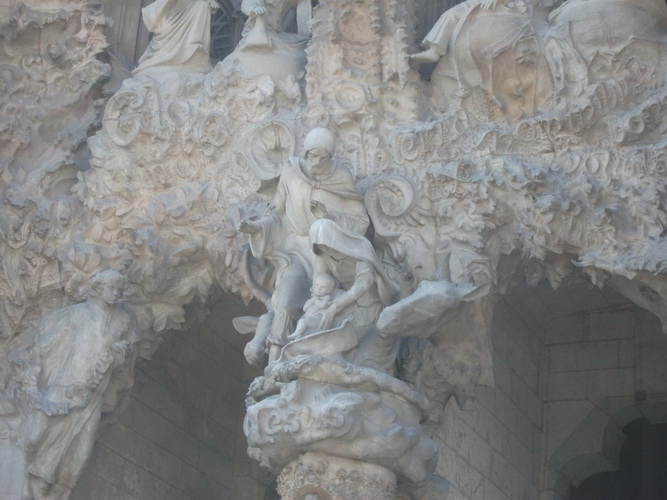
The criteria that govern the joint UNESCO World Heritage listing of these “Works of Antoni Gaudí”, including the crypt and the Nativity façade of the Expiatory Temple of the Sagrada Família, are as follows:
• Criterion (i): The work of Antoni Gaudí represents an exceptional and outstanding creative contribution to the development of architecture and building technology in the late 19th and early 20th centuries.
• Criterion (ii): Gaudí’s work exhibits an important interchange of values closely associated with the cultural and artistic currents of his time, as represented in Modernisme of Catalonia. It anticipated and influenced many of the forms and techniques that were relevant to the development of modern construction in the 20th century.
• Criterion (iv): Gaudí’s work represents a series of outstanding examples of the building typology in the architecture of the early 20th century, residential as well as public, to the development of which he made a significant and creative contribution.