Category Archives: Locations

Places of significant importance to cultures, traditions, religious beliefs in Barcelona.

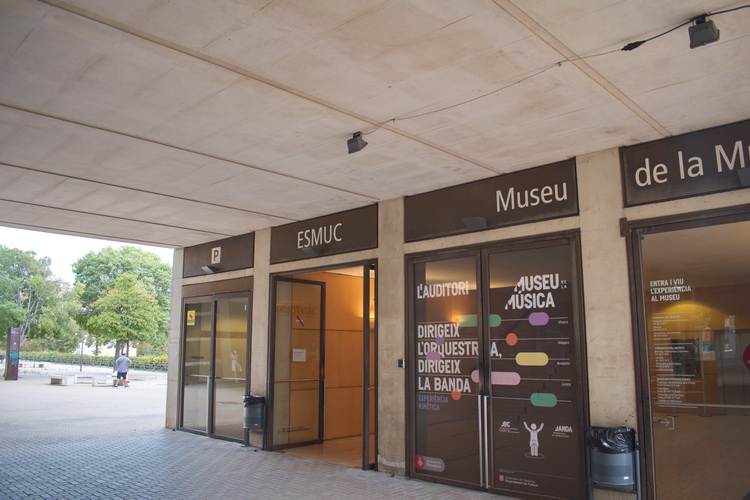
ESMUC

The Escola Superior de Música de Catalunya (ESMUC) is the only public center in Catalonia to award a degree in higher artistic education in Music, within the framework of the organization of artistic education and its insertion in the European Space of Higher Education.

The School offers the study of the higher degree of music, of 240 ECTS credits.

  • Composition
  • Direction
  • Musicology
    • Classical and Contemporary Music
      • Clarinet, Double Bass, Bassoon, Flute, Oboe, Saxophone, Trombone, Horn, Trumpet, Tuba / Bombardier, Viola, Violin, Cello
      • Harp
      • Percussion
      • He agreed
      • Singing
      • Guitar
      • Organ
      • Piano
    • Jazz and Modern Music
      • Jazz Clarinet, MM Flute, Jazz Saxophone / MM, Jazz Trombone / MM, Jazz Trumpet / MM
      • Electric Bass, Jazz / MM Drums, Jazz Double Bass, Jazz Guitar, MM Electric Guitar, MM Percussion, Jazz Piano, MM Keyboards, Jazz Violin
      • Jazz singing and Modern Music singing
    • Early Music
      • Historical harps, Harpsichord, Fortepiano, Stringed instruments
      • Historical clarinet, Historical double bass / Violone, Bugle, Historical bassoon, Recorder, Historical flute, Historical oboe, Historical percussion, Sacabutx, Natural horn, Shrimp viola, Historical viola, Historical violin, Historical cello
      • Historical singing
    • Cobla instruments
      • Flabiol and tambourine, Fiscorn, Tenora, Tible
      • Instruments of traditional Catalan music: Diatonic accordion, Bagpipe, Gralla
      • Flamenco instruments: Flamenco guitar, Sing flamenco
  • Traditional Music
  • Pedagogy
  • Sonology
  • Production and Management
  • Interpretation

Professorat al ESMUC http://www.esmuc.cat/escola/sobre-lesmuc/professorat/

Professor/aAssignatures
Aguilà, OriolPatrocini i mecenatge
Aixa, MarcPercussió
Albet, DavidCambra / conjunt instrumentalRepertori i tècniques de la música contemporània
Almajano, MartaCant històric
Alomar, JordiDimensió econòmica del sector musical
Artigas, JavierAnàlisi de la música antigaTaller d’anàlisi de la música antiga
Asensio, JoanAnàlisi del flamencoCambra / conjunt instrumentalImprovisació i acompanyament del flamenco I i IITranscripció per a guitarra flamenca
Asensio, Juan CarlosCant plaHistòria de la música de l’edat mitjanaHistòria de la música del segle XV i XVINotació i edició I i IIIntroducció a la codicologia
Àvila, RaimonFormació corporal i comunicació I, II i III
Bäcker, RolfFonètica aplicada al cant I, II, III i IV
Badal, FerranDidàctica del conjunt instrumental
Balssa, EmmanuelVioloncel històricViola de gamba
Barbal, MargaridaEines didàctiques de consciència corporalFormació corporal i comunicació I i II
Barbeta, XavierPiano
Barrachina, ÀlexAnàlisi, síntesi i processament del so IIInterpretació amb mitjans electrònics I
Barrera, MagdalenaArpaCambra / conjunt instrumental
Bataller, ArnauComposició per a mitjans audiovisuals IComposició principal
Baucells, JosepPercepció auditiva generalFonaments de composició
Benítez, GorkaFlauta travessera JiMMImprovisació i acompanyament de la MM IIIImprovisació i acompanyament del Jazz II i IVSaxòfon JiMM
Bernat, MiquelPercussió
Bes, RubenDidàctica de l’instrument I i IIDidàctica del llenguatge i l’expressió musical IIPràcticum de pedagogia I i II
Blanch, XavierCambra / conjunt instrumentalOboèOboè històric
Bofill, MiquelCambra / conjunt instrumentalSaxòfon
Bonal, EsterDesenvolupament professionalInstruments polifònics a l’aula
Bonet, DavidRepertori instrumental específic, trompa
Bonet, JavierTrompa / Trompa natural
Borne, PatrickFonètica aplicada al cant I, II, III i IV
Borràs, JosepFagot històric
Bover, AlbertPiano JazzImprovisació i acompanyament del jazz IVTeclats MM
Branch, AlanCambra / conjunt instrumentalLiedPianoRepertori específic del cantSeminari de música vocalFonètica aplicada al cant I, II, III i IV
Bronevetzki, VladislavPiano
Brotons, SalvadorDirecció d’orquestra principalComposició principalPràctiques de direcció
Brown, JonathanCambra / conjunt instrumentalViolaRepertori i tècniques de la música contemporània
Cabestany, NabíRepertori instrumental específic, violoncel
Camell, JordiCambra / conjunt instrumentalPiano
Camps, JonathanCambra / conjunt instrumentalContrabaix
Candendo, ÓscarOrgue
Canela, CarmeCant Jazz i MM
Cañizares, RafaelGuitarra flamencaTècniques de composició del flamenco
Capella, FrancescComboCambra / conjunt instrumentalComposició del JazzHistòria de la música popularHistòria del JazzPiano Jazz
Carbonell, DanielCambra / conjunt instrumentalGralla / dolçaina
Cardenal, DavidDistribució de continguts musicalsComencialització de continguts musicals
Carod, Apel·lesViolí jazzCombo
Carrasco, ElisendaDidàctica del conjunt vocal
Casanova, CoriFoniatria
Casares, LlucCombo
Casellas, MarcelArranjaments de la música tradicional IICambra / conjunt instrumentalImprovisació de la música tradicional I, II, III i IV
Castelló, José VicenteCambra / conjunt instrumentalTrompa
Castillo, XavierClarinet / Clarinet baixRepertori instrumental específic, clarinet
Castro, RaquelViolí
Cattaneo, AurelianoComposició principalFonaments de la composició
Chiantore, LucaEstètica IIHistòria de la música del S.XIXMusicologia històrica III
Chiralt, DolorsOboèCambra / conjunt instrumental
Climent, LambertCant històric
Coll, LluísCorneta
Coll, XavierCambra / conjunt instrumental
Colomer, JaumeDistribució i comercialització de continguts musicalsProducció aplicada a la indústria musical
Comajuncosas, Josep MariaAnàlisi, síntesi i processament del so IElectrònica IIInformática musical IIInterpretació amb mitjans electrònics IITècniques de programació III
Conangla, FerranSonorització de directesTècniques d’enregistrament i postproducció I, II, III i IV
Coppola, LorenzoCambra / conjunt instrumentalClarinet històric
Costal, AnnaHistòria de la música dels segles XX i XXIHistòria de la música catalana dels segles XIX i XXMúsica tradicional catalanaMusicologia històrica IIEstètica I
Curti, HoracioPràcticum de Musicologia I i IIMúsiques tradicionals del món IITècniques d’execució de les músiques tradicionalsEtnomusicologia ISeminari de musicologia
de Jong, KarstImprovisació i acompanyament III i IVImprovisació i acompanyament per a pianistes IIITècniques compositives I, II i III
de la Rubia, JuanCambra / conjunt instrumentalImprovisació i acompanyament I, II  i IVImprovisació i acompanyament per a pianistes I, II i III
Díaz Latorre, XavierCambra / conjunt instrumentalInstruments de corda polsadaBaix continu III i IV
Dichamp, Jean-FrançoisPiano
Dubuclet, JohnAnàlisi del Jazz i la música moderna per a altres àmbitsCambra / conjunt instrumentalImprovisació del Jazz i la música moderna per a altres àmbitsTrombó JiMM
Duijck, JohanDirecció de cor principalPràctiques de direcció
Duque, JavierOrganització i contextos educatiusPedagogia sistemàtica de la música  I i IIPsicopedagogiaSeminari d’investigació en educació musical
Egea, SusanaEscena lírica I, II i IIITècniques actorals I i II
Enrich, EnricDrets de propietat intel.lectual
Espasa, DanielImprovisació i acompanyament I i II, harmònicsImprovisació i acompanyament per a pianistes I, II, III i IVCambra / conjunt instrumental
Espí, SòniaTecnologia aplicada a la producció i difusió I i II
Estevan, PedroPercussió històrica
Fargas, JoanGestió d’equips
Farrés, MireiaTrompeta
Fernández, AgustíImprovisació i acompanyament III i IV
Fernández, Pablo ManuelTuba / bombardíCambra / conjunt instrumental
Ferrándiz, LorenzoPercussióCambra / conjunt instrumental
Figaró, JordiTenora
Figuerola, XavierSaxòfon JiMMClarinet JiMM
Fina, XavierDimensió econòmica del sector musicalEmprenedoria i creació d’empresesL’entorn empresarialMarc públic i institucional de la músicaMúsica i comunicació en l’entorn globalDesenvolupament professional
Finger, AnaCant JiMMCambra / conjunt instrumental
Forcada, DaniPercussió MMCambra / conjunt instrumental
Fumero, HoracioContrabaix JazzComboCambra / conjunt instrumental
Fuster, JosepClarinet
Fuster, MartinaDret
Galassi, MaraArpes històriques
Galduf, SimeónSacabutx
Gallego, JúliaFlauta travessera
García, LuisDisseny, desenvolupament i innovació curricularFormació corporal i comunicació IMúsica, moviment i rítmica I i IIRelació docent
García, MarianoCambra / conjunt instrumentalSaxòfon
García, RaúlTrombó / trombó baixCambra / conjunt instrumentalRepertori instrumental específic, trombó
Garrigosa, FrancescCantCant històricLiedCor de la Música AntigaSeminari de música vocal
Garrobé, ÀlexGuitarra
Gascón, Luis IgnacioSaxòfonCambra / conjunt instrumental
Gascón, MontserratCambra / conjunt instrumental
Gasull, FeliuCambra / conjunt instrumentalImprovisació i acompanyament I i IIArranjaments del flamencoRepertori i tècniques de la música contemporània
Giménez, NéstorComposicióCombos
Giné, EnricElectrotècniaPràcticum de sonologiaFonaments d’acústicaTècniques d’enregistrament i postproducció I, II, III i IV
Ginesi, GianniModels d’organització sonora de les músiques tradicionalsMúsica i cultura IIMúsiques tradicionals del món IPràcticum de musicologia I i II
Gleusteen, KaiViolí
Gómez, DavidBateria JiMM Perfeccionament rítmic
Gómez, IgnasiDidàctica del llenguatge i l’expressió musical I i IIDidàctica de l’instrument IIPràcticum de pedagogia I i IIRelació docent
Gotlibovich, YuvalViolaCambra / conjunt instrumental
Grimalt, ImmaPràcticum de producció i gestió I i IIPràctiques internes de producció i gestió I, II i IIIProducció de concerts i esdeveniments musicalsTècniques de comunicació
Grimalt, JoanMetodologies d’anàlisi musicalReducció de partitures I, II, III i IVTaller d’anàlisi I i II
Guaus, EnricElectrònica IFísica i matemàtiques per a la música ILaboratori de So I i IIIPràctiques internes de sonologia I i IIPràcticum de sonologiaFonaments d’acústica
Guglielmi, LucaClavicèmbalFortepiano
Guinovart, AlbertComposició principalInstrumentació i orquestració I i II
Gumí, AlbertCambra / conjunt instrumentalImprovisació i acompanyament I i II
Hantaï, MarcFlauta travessera històrica
Havel, ChristopheComposició principal
Heilbron, MarcHistòria de l’òperaHistòria de la música del segle XVIIIMusicologia històrica IEstètica IFonètica aplicada al cant I, II i IIIMúsica i cultura II
Herrera, PerfectoFonaments d’acústicaEscolta crítica IIIntroducció a la tecnologia musicalPsicoacústicaTecnologies per a la recerca musicalPràcticum de sonologia
Ibáñez, XavierTeclats MMComboCambra / conjunt instrumentalComposició de Música Moderna IArranjaments de la MM I
Ill, CarlesMetodologies de recerca
Iotti, GuidoRepertori instrumental específic, orgue
Kleiman, VikaFormació corporal i comunicació I i IIMúsica i dansaPracticum de pedagogía I i II
Kraemer, ManfredoViolí històric
Krause, JoBateria JiMM
Lara, MireiaCant JiMMComboCambra / conjunt instrumental
León, JordiRepertori de la cobla
Likeng, DidierCor gospel
Linares, Maria AssumpcióFoniatria Tècnica vocal aplicada I
Lloris, EnedinaCantSeminari de música vocal
Lluna, Joan EnricClarinet Cambra / conjunt instrumental
López Cano, RubénEstètica IHistòria de la música del S.XVIIMetodologies d’investigació musical I i IITeoria crítica del coneixement
Lossev, DenisPiano
Lozano, JoséDisseny de soLaboratori de so II i IV
Magrí, LaiaFagot, ContrafagotRepertori instrumental específic de fagot
Margarit, JosepAnàlisi de la música IComposició aplicada a l’ensenyamentMetodologies d’anàlisi musical
Marigó, CarlesImprovisació i acompanyament
Martín, CarlosTrombó JiMM
Martínez Borruel, EduardBaix continuPràctica de baix continuClavicèmbalRepertori de la música antiga
Martínez Mehner, VeraViolíCambra / conjunt instrumental
Martínez, DamiàVioloncel
Martínez, EduardoOboè
Martínez, SílviaEtnomusicologia IIIMúsica i cultura III
Martínez, SofíaPercepció auditiva generalPercepció auditiva específicaRepertori instrumental específic, flauta
Martínez, UxiaContrabaix
Masó, JordiPiano
Mateu, AssumptaCantLiedCambra / conjunt instrumental
Memelsdorff, PedroFlauta de becCambra / conjunt instrumentalFonts històriques de la interpretació de la música antiga
Mercadal, MelissaFonaments de musicoteràpiaPsicopedagogia
Mercader, NanPercussió MMComboCambra / conjunt instrumental
Mestre, DanielFormació vocal aplicada IIPercepció auditiva generalTècniques bàsiques de direcció
Minguet, VicentMúsica i cultura II
Moliner, PepFiscornCambra / conjunt instrumental
Momblant, EsterFormació corporal i comunicació I i IIMúsica i dansa
Monné, JoanComboCambra / conjunt instrumentalImprovisació i acompanyament del Jazz I i IIIPiano Jazz
Mor, JoséVioloncel
Mora, AlbertFlauta travesseraCambra / conjunt instrumentalImprovisació i acompanyament II
Mora, JordiDirecció d’orquestra principalPràctiques de direcció
Mora, MireiaFormació corporal i comunicació I i II
Moreno, EmilioViolí històricViola històrica
Moretti, KennedyCambra / conjunt instrumentalRepertori i tècniques de la música contemporània
Murcia, GratiPercussió
Natividade, MargaridaCantLiedSeminari de música vocal
Navarro, BlaiAcordióTranscripció per a acordió
Noll, ThomasTeoria musical del segle XX
O’Callaghan, PepAnàlisi de la MM I i IIPercepció auditiva específicaPercepció auditiva avançada
Oller, JoanMàrquetingProgramació musical
Pallàs, LauraRepertori instrumental específic, piano
Pastor, FèlixAnàlisi de la música IMetodologies d’anàlisi musicalAnàlisi de la música del s. XX i XXI
Pérez Cucurella, PepBaix elèctric MMComboCambra / conjunt instrumentalImprovisació i acompanyament de la MM II
Pérez Molina, Lourdes i LluísPianoCambra / conjunt instrumental
Pérez, DaniGuitarra JiMMComboCambra / conjunt instrumentalImprovisació i acompanyament del Jazz III
Perpiñán, DanielTrombó / Trombó tenor
Pestalozzi, CristoforoVioloncel
Pi, JuditTècniques de Comunicació
Pillai, AshanViola
Pintó, MireiaCant
Pla, AdolfPianoCambra / conjunt instrumental
Plana, CatiAcordió diatònicCambra / conjunt instrumental
Poletti, PaulAcústica i organologia IOrganologiaAfinacions històriquesAfinacions del teclatFonaments d’acústicaPràcticum de sonologia
Poyato, FranciscoLiedCambra / conjunt instrumentalSeminari de música vocal
Prats, VicensFlauta travessera
Prieto, JesúsGuitarra elèctrica MMGuitarra JiMM
Puertas, XavierContrabaix històric / violone
Puig, XavierCambra / conjunt instrumentalDirecció d’orquestra secundària I i IIPràctica d’orquestra I i II
Pujol, JosepMúsica i cultura ITaller d’escriptura per a la musicologia
Rabaseda, JoaquimHistòria de la música audiovisualAnàlisi de la música audiovisualCompositors catalans dels segles XX i XXITaller d’ànalisi per a la musicologia
Réach, PierrePianoCambra / conjunt instrumental
Regalado, DavidGestió i planificació pressupostària
Reinón, EladioSaxòfon JiMMComboCambra / conjunt instrumentalImprovisació i acompanyament de la MM IVImprovisació i acompanyament del Jazz II
Resina, EduardComposició assistida per ordinador I i IIComposició electroacústica I i IIComposició principalMetodologies d’anàlisi musical
Ribera, ManelFonaments de la composicióTècniques compositives I
Rielo, María JoséFagot
Rio-Pareja, JosepComposició principalFionaments de la composicióTaller d’anàlisi II
Roca, AlbaViolí històric
Rodeiro, ManelAnàlisi de la música I i IIAnàlisi de la música dels segles XX i XXIMetodologies d’anàlisi musical
Rossy, MarioContrabaix JazzComboImprovisació del Jazz i la música moderna per a altres àmbits
Rubio, FranciscoImprovisació i ornamentació I, II, III i IVImprovisació i ornamentació de la MA per a altres àmbits
Sabaté, MarcelFlabiol i tamboríArranjaments de la coblaCambra / conjunt instrumental
Salazar, PepGestió de la innovació
Salinas, RafaelPianoFonaments de la pràctica interpretativa
Sampablo, AlbertoDret
Saña, OriolViolí JiMMCambra / conjunt instrumental
Sanmartí, JoanEdició de partitures amb mitjans informáticsComposició de Música Moderna IIComboCambra / conjunt instrumentalGuitarra JiMMGuitarra elèctrica MM
Santana, GaldricCornamusaCambra / conjunt instrumental
Santana, GuilhaumeFagot
Satué, HelenaViolí
Sempere, NúriaDesenvolupament professionalGestió de centres educatiusGestió de projectes comunitaris
Serrano, ÁngelTrompetaRepertori instrumental específic, trompetaCambra / conjunt instrumentalPràctica d’orquestra
Simarro, MiguelRepertori instrumental específic, violaRepertori instrumental específic, violí
Simon, MatthewTrompeta JiMM
Soler, JordiTecnologies per a l’educació musical
Sotelo, MauricioComposició principal
Stanculeasa, VladViolí
Surinyac, JosepLied
Tancredi, EduardoPiano JazzTeclats MMCor JiMMComboCambra / conjunt instrumental
Terraza, IgnasiPiano JazzCombo
Tomàs, AbelCambra / conjunt instrumental
Tomàs, ArnauCambra / conjunt instrumental
Torramilans, RamonCambra / conjunt instrumentalRepertori i tècniques de la música contemporània
Urtasun, RosamèricaRepertori instrumental específic, acordióPercepció auditiva general
Vergés, LluísAnàlisi del Jazz I i IIArranjaments del Jazz I i IIArranjaments de la MM IIComposició de Música Moderna I
Vidal, LluísComboCambra / conjunt instrumentalComposició de Jazz I i IIPiano Jazz
Vila, JosepDirecció de cor principalPràctiques de direcció
Vila, LluísCorCor per a cantants I, II i IIIDirecció de cor secundària I i IIFormació vocal aplicada I
Vilaró, JordiTibleCambra / conjunt instrumental
Villanueva, IsabelManagement i representació d’artistes
Vivancos, BernatComposició principalInstrumentació i orquestració III i IV
Vivancos, JordiSociologia de la música
Vizcaya, José MiguelCante flamencoImprovisació i acompanyament del flamenco III, IV, V i VICambra / conjunt instrumentalRepertori del flamenco
Volguin, YuriViolí
Willis, GaryBaix elèctricCombo
Xirgu, DavidBateria Ji MMComboPerfeccionament rítmic
Young, Laura AnneGuitarraCambra / conjunt instrumental
Zamora, IgnasiBaix elèctric MMComboCambra / conjunt instrumentalImprovisació i acompanyament de la MM I
Zaragozà, Josep LluísDidàctica general
Zarco, AntonioImprovisació i acompanyament del Flamenco per a altres àmbitsRepertori del flamencoTeoría del FlamencoCambra / conjunt instrumentalGuitarra flamenca IS

Encants Market

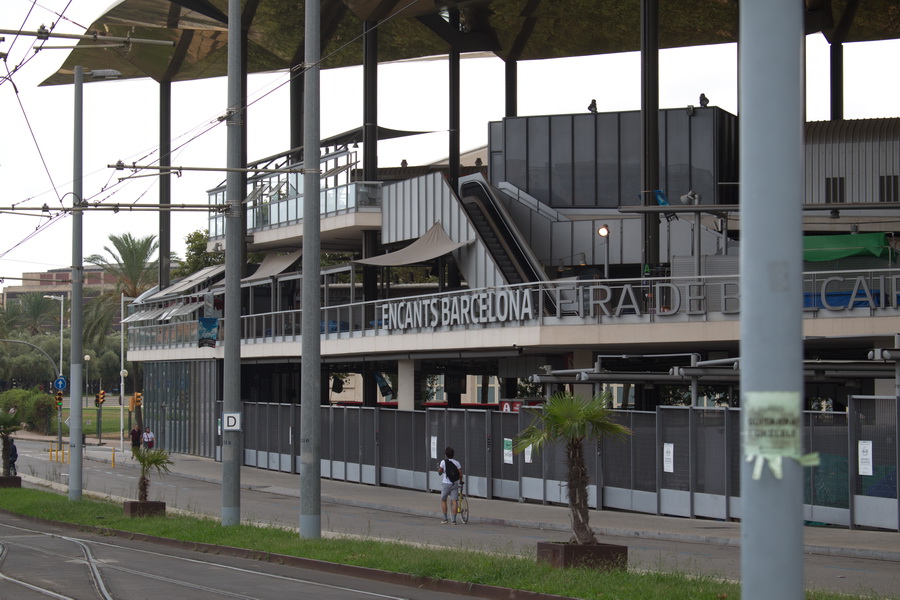
Encants Market in Barcelona is also known as the Fira de Bellcaire and is one of the oldest markets in Europe that’s had been going on the same site. The origins go back to the 1300s and is a strong example of the importance that Barcelona has had on the world of commerce throughout its history. It’s a flea market where you can find all sorts of antiques and collectibles!

The area around the Plaça de les Glòries is packed with surprises and attractions. In addition to the imposing presence of the Glòries Tower and world-class cultural facilities such as the Teatre Nacional de Catalunya, the concert hall, L’Auditori, and the design museum, the Museu DHUB, you can now enjoy the new market “Encants Barcelona”, a mini retail world that is well worth discovering.

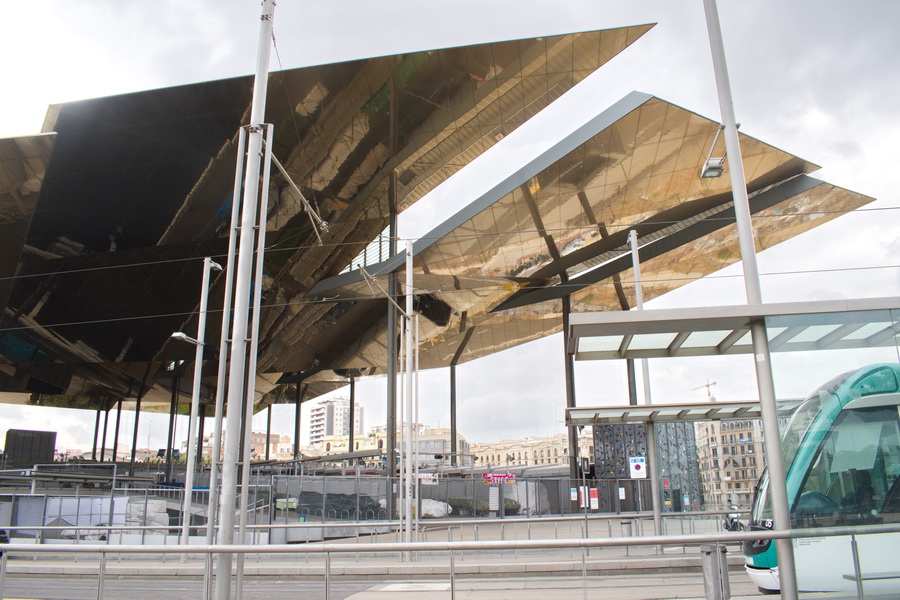
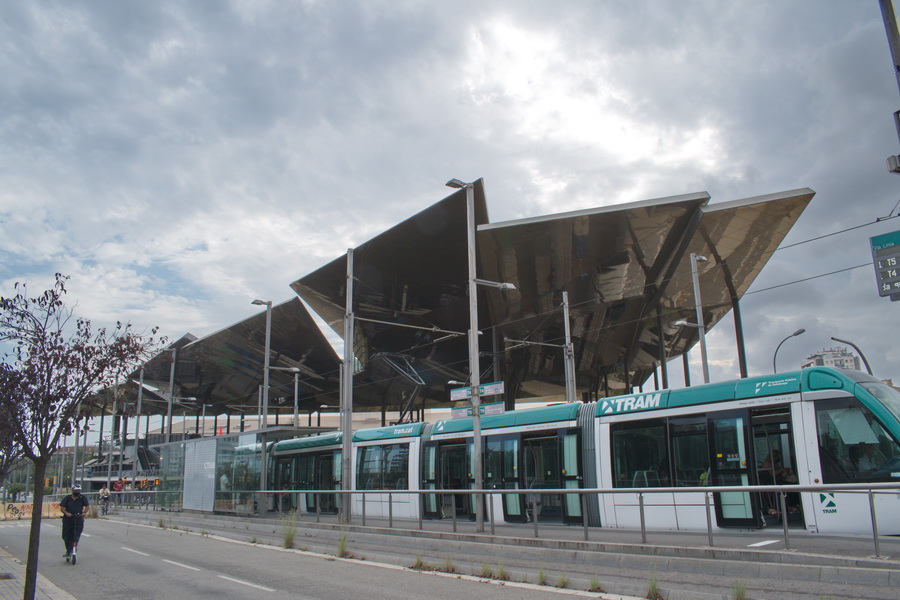
The city’s old flea market, known as the “Encants vells” or Fira de Bellcaire, moved to the other side of the Plaça de les Glòries in September 2013. It now stands on a triangular site between Carrer Castillejos and Avinguda Meridiana. It is housed under a giant aluminium and zinc pergola with a mirrored ceiling that provides shelter for the hundreds of stalls and reflects the kaleidoscope of goods for sale and curious shoppers below.

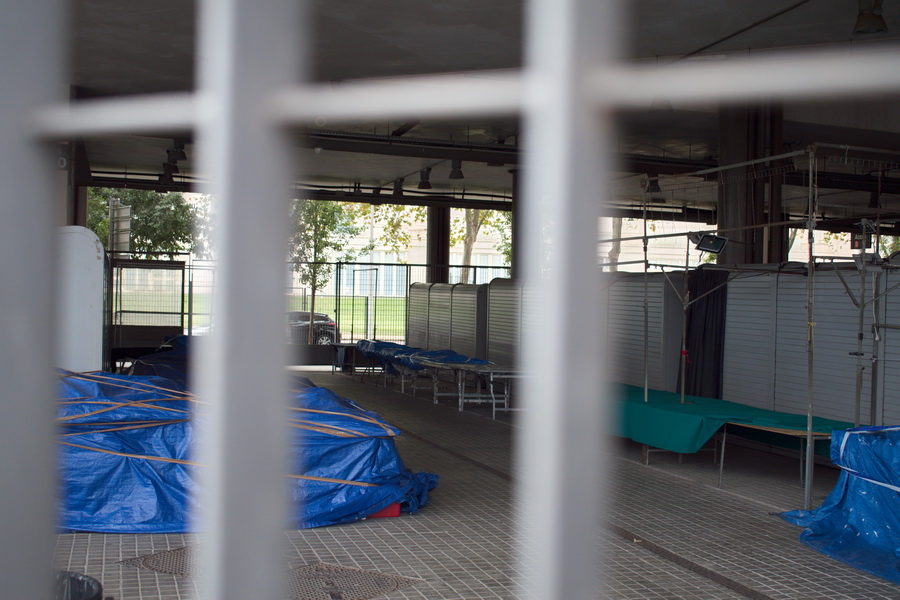
The new ultramodern, open-sided structure is set out on different levels and embodies the authentic spirit of a second-hand, open-air market. The vendors’ cries, the art of haggling and the stalls piled high with the most unexpected objects leave no room for nostalgia.

For collectors and bargain-hunters looking for the best price, the “Encants” offer a whole host of good buys. Antique furniture and tools, old books and records, second-hand clothing and accessories in the purest vintage style, intermingle with all kinds of goods, from antiques to the latest in lighting, taps and electrical gadgets. The bars and restaurants around the market are the perfect complement to the bustling atmosphere and give you a glimpse of the real Barcelona which knows how to blend tradition and modernity.

A fabulous mega market in the open street, this flea market has it all.

Suggested duration 2-3 hours

Glòries square

Glòries square (Plaça de les Glòries) was supposed to be the city center in Ildefons Cerdà urban plan for Barcelona (the one that originated the Eixample district). This idea didn’t work quite well and for a long time it was relegated to a secondary status.

Nonetheless, this plans have realized many decades later, as the whole is finally coming alive with extensive shopping areas, iconic Glòries Tower and the Design Hub Barcelona (Museum of Design).

Recent efforts to revitalize the area have succeeded with the construction of Glòries Tower, the National Catalonia Theater, the Barcelona Design Center and the new venue for the Encants Vells Market.

Glories Barcelona Shopping Center is the main leisure area in the square. It’s one of the best places for shopping in Barcelona.

Also, it features some large department stores, and the regular Spanish and International fashion boutiques, children’s playcenter, a gym, a cinema, and several restaurants as well as coffee houses.

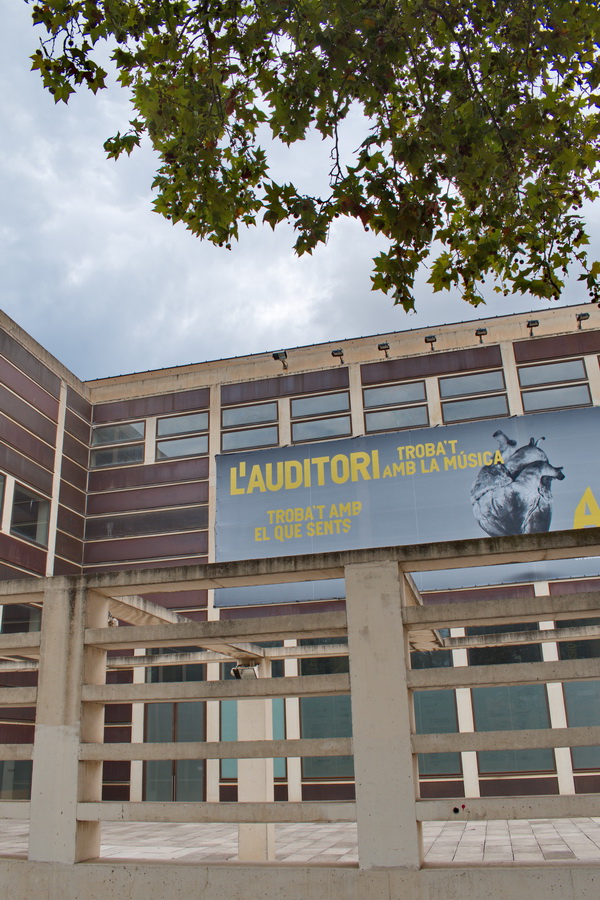
L’Auditori of Barcelona

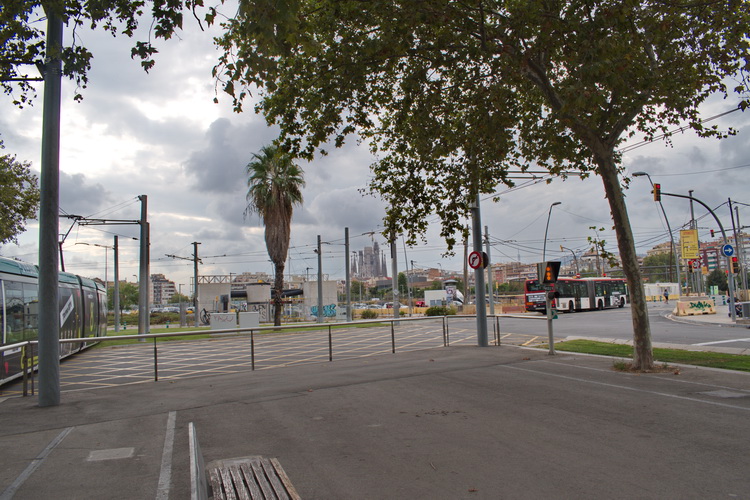
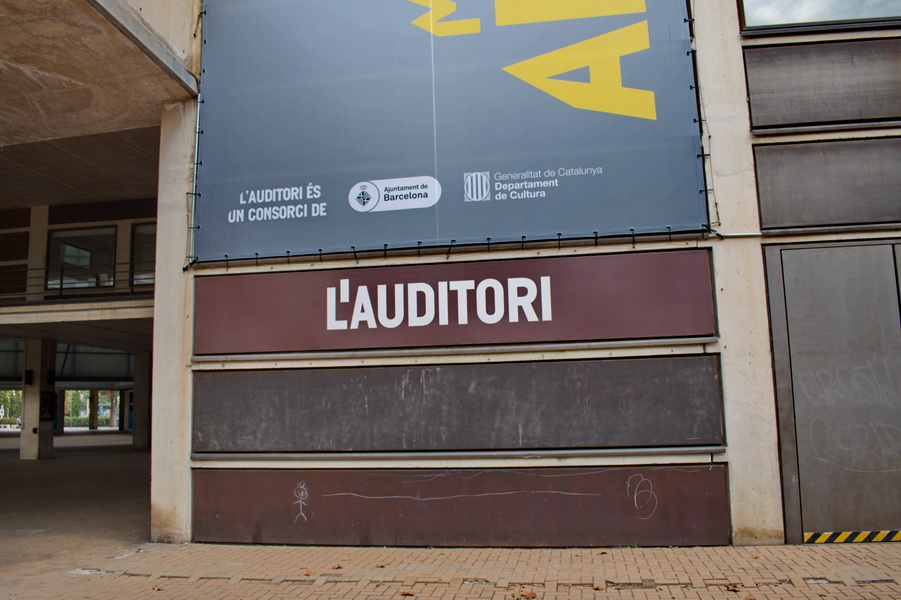
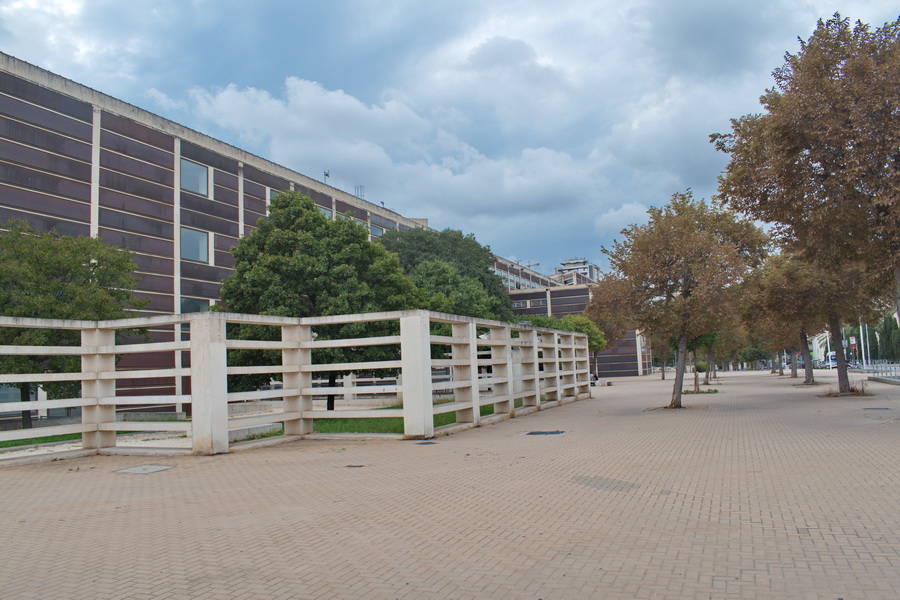
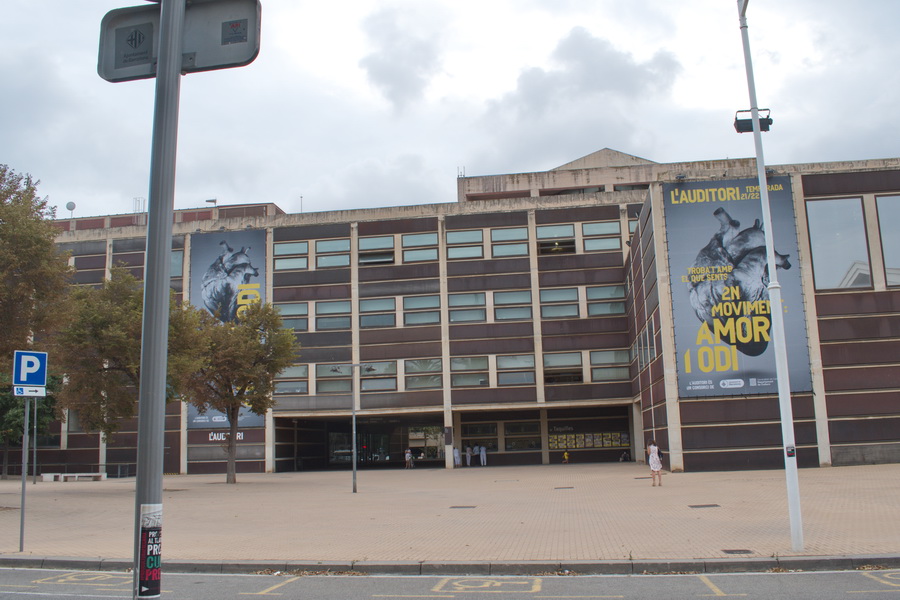
L’Auditori of Barcelona is the home of the Barcelona Symphony Orchestra, and the Barcelona wind band. Once inside, it is a beautiful building despite the very austere exterior. Friendly staff, and high quality performances of a wide range of classical music. Location is not easy – it’s not on the “tourist trail”, but if you are interested in classical music, check the excellent website and book in advance of your visit to Barcelona.

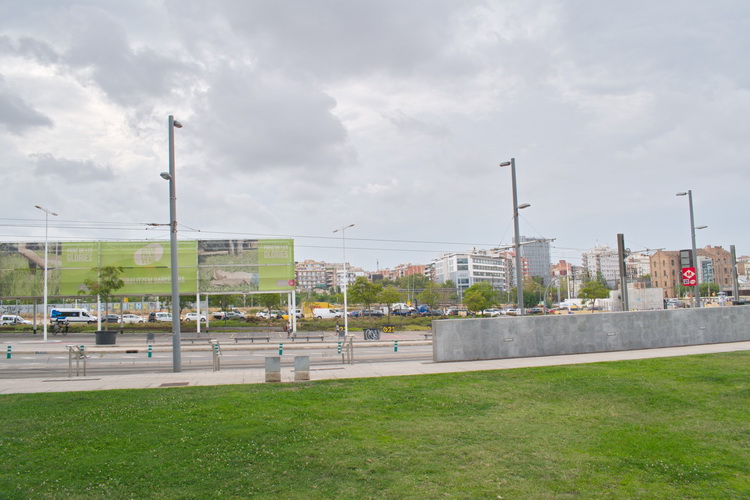
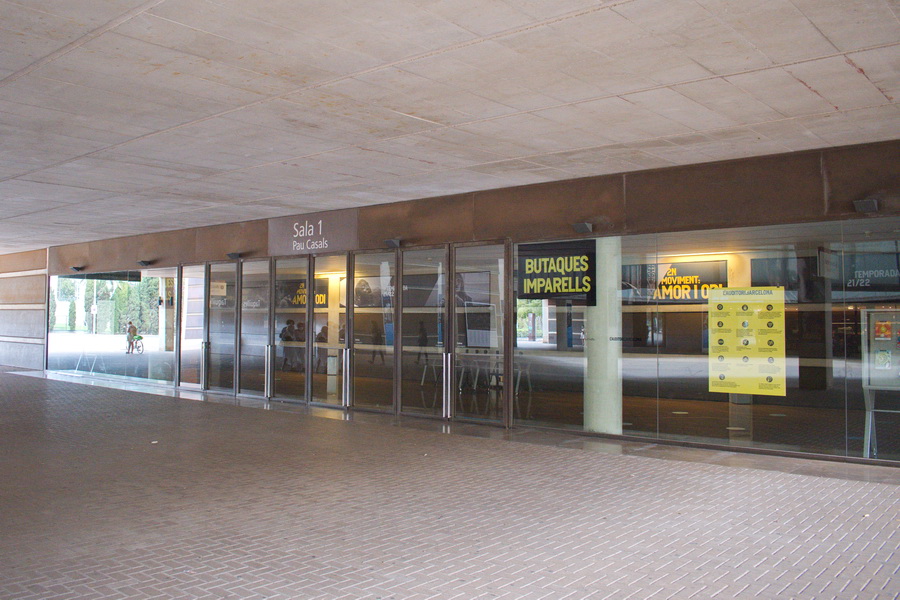
L’Auditori, which is located in the Eixample, covers a surface area of 42,000m2 and is one of Barcelona’s premier music venues. The wood-lined main auditorium, the Sala Pau Casals, can seat 2,340 people and has exceptional acoustics which can be experienced as you enjoy a wide variety of musical styles, from symphonic music to rock and the works of singer-songwriters. It is located next to the Museum of Music of Barcelona.

The concert hall complex, L’Auditori, was designed by Rafael Moneo, one of the world’s most renowned architects, It opened in 1999 and since then has become a focus for Barcelona’s musical life in the spheres of education, teaching and research. L’Auditori has three concert halls with impeccable acoustics, each of them named after a Catalan musician: the symphony hall, the Sala Pau Casals, seating 2,340 people; the Sala Oriol Martorell, seating 600, and the Sala Tete Montoliu, seating 400. The complex also houses the Museu de la Música, the music school, the Escola Superior de Música de Catalunya (ESMUC) and is the premises of the Orquestra Simfònica de Barcelona i Nacional de Catalunya (OBC). All these spaces are set out around a central courtyard which contains one of the true gems of the building: the monumental cubic lantern made of glass and decorated with striped paintings by Pablo Palazuelo.

L’Auditori is the venue for the Barcelona Festival of Contemporary Music, and hosts seasons of symphonic, chamber, early, world, choral and modern music. It also runs educational programmes, provides support for young artists, and brings music to the most disadvantaged members of the community.

Carrer de Lepant, 150, 08013 Barcelona, Spain

https://www.auditori.cat/

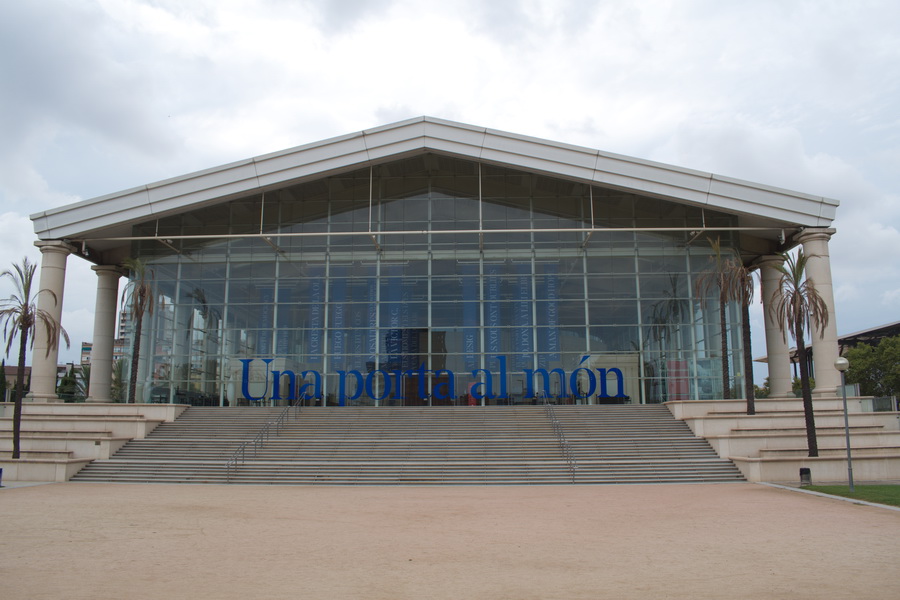
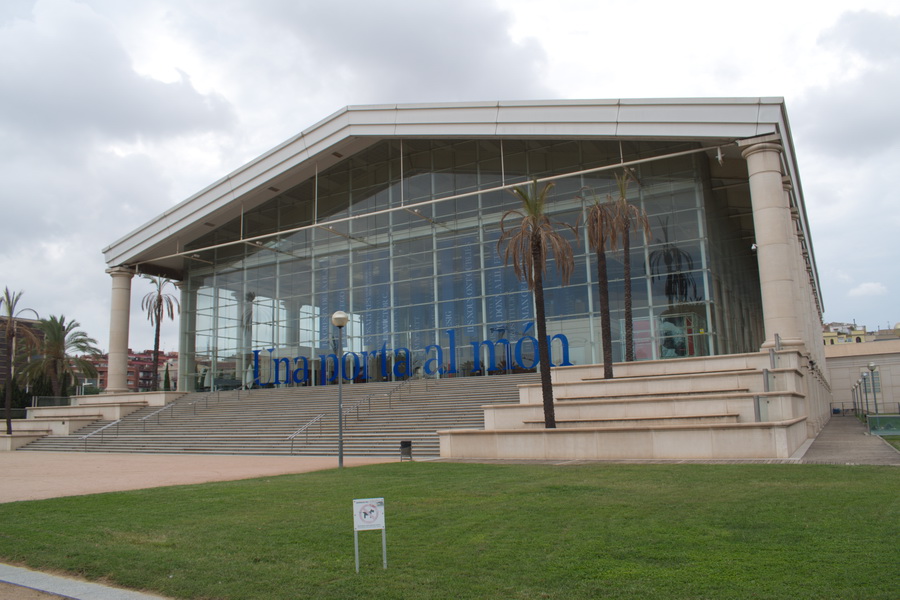
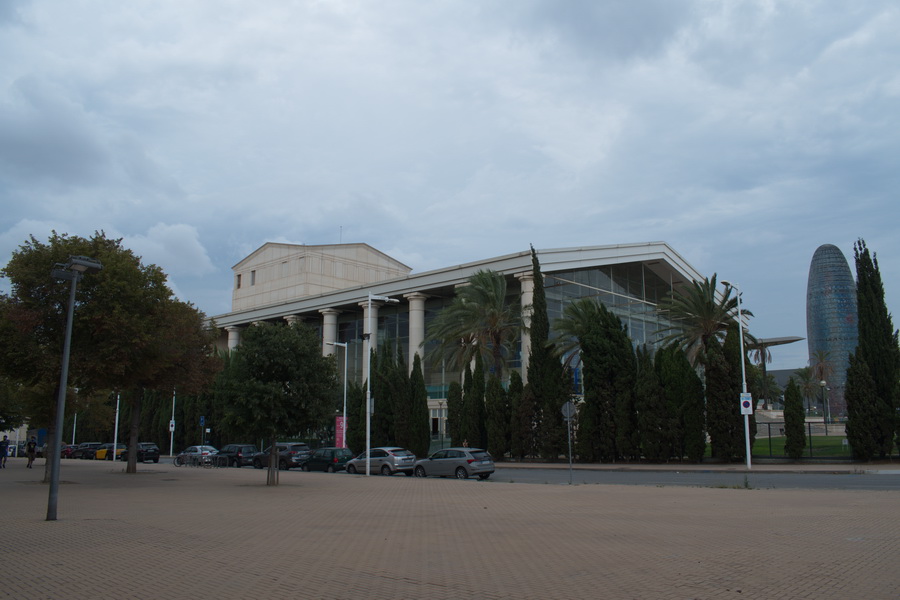
The National Theatre of Catalonia (TNC)

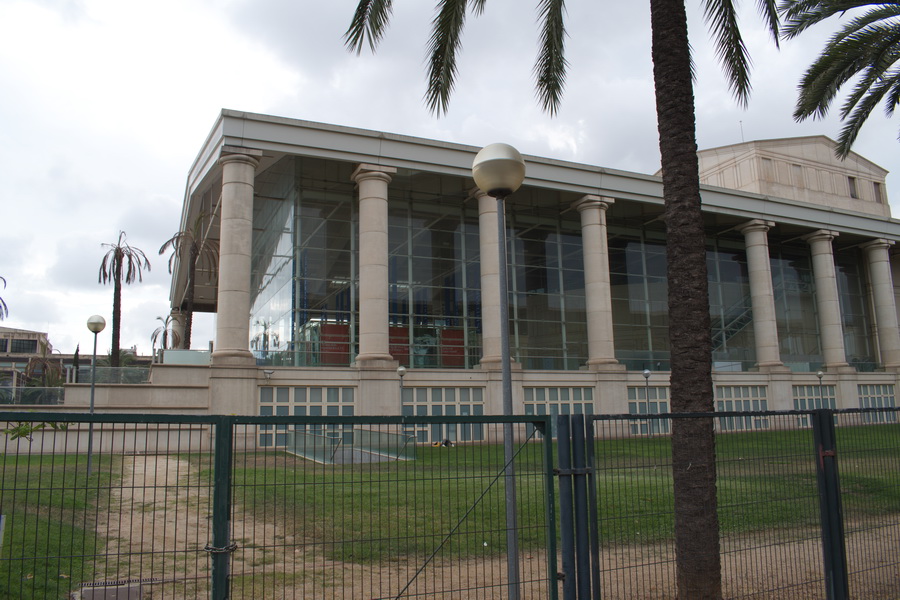
The National Theatre of Catalonia (Teatre Nacional de Catalunya in Catalan, also known as TNC) is one of the most important theatres in Catalonia It was opened in 1996 with the main purpose of consolidating a high quality theater offer both nationally and internationally.

Even if you don’t go inside for a show, the National Theatre of Catalonia is spectacular to see from the outside. Its design is inspired by the ancient Greeks and their love for splendid architecture

With twenty-six columns at a height of twelve meters each, it clearly stands out among the surrounding architecture. Along with the white concrete steps, beautiful plaza, and surrounding palm trees, it’s easy to imagine being back in the times of ancient Greeks. 

Like a lot of Barcelona’s buildings, the theatre mixes the old and the new through its architecture. Once inside, you’re greeted with lots of spacious room and huge glass windows that flood the building with natural light. It’s spacious and comfortable inside with a very nice restaurant on the first floor.

They also offer:

  • Birthday celebrations
  • The TNC restaurant
  • Guided tours
  • Video Library
  • Educational services
  • Business services

How to get there

Address: Pl. de les Arts, 1

How to get there?: Metro L1, Glòries. | Bus 6, 7, 10, 56 and 62. | Tram T4, Auditori-Teatre Nacional.
Telephone: 933 065 700

Web: www.tnc.cat

E-mail: info@tnc.cat

Barcelona Agbar Tower

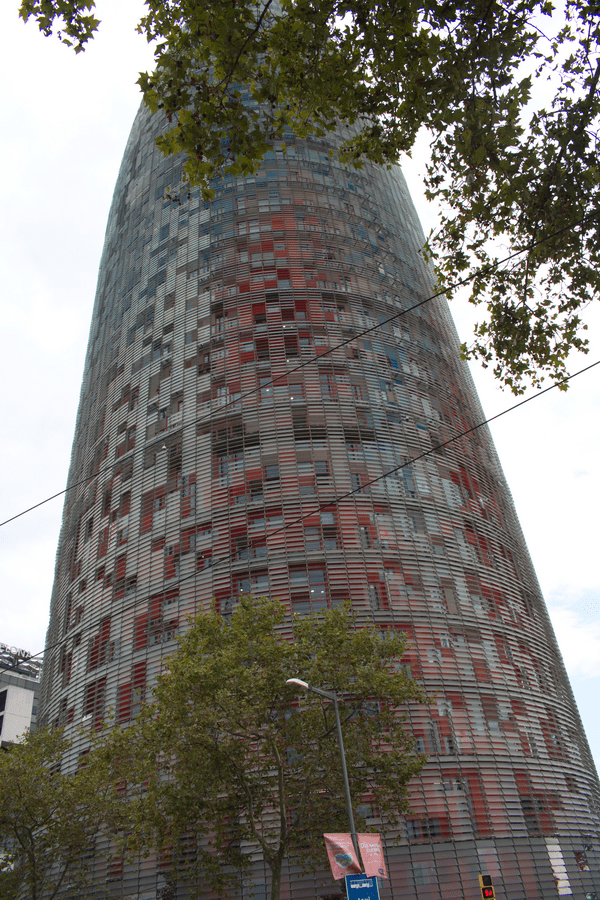
There are a handful of buildings which have come to define the Barcelona skyline: the Sagrada Família, the W Hotel, the carousel of Mount Tibidabo – and the Barcelona Agbar Tower (Torre Agbar). Designed by French architect Jean Nouvel, it is a symbol of Barcelona’s modern face and the urban renewal of the Poblenou neighbourhood, to which it marks the gateway.

Torre Agbar was inaugurated on September 16, 2005 and is one of the new landmarks of Barcelona. It was designed by architect Jean Nouvel. Its shape simulates constant pressure and a stable jet of water, which is an ideal image for a water company headquarters. Due to its special shape, we must add the lighting effects it produces, and give it colors, thus triggering the entire night performance.

The skyscraper has 34 floors and 142 meters high, which makes it one of the tallest buildings in the city, has 4,500 windows and cannot be visited, because it serves as an office building, although you can visit the hall.

The Barcelona Agbar Tower, also known as the Torre Glòries, is a skyscraper located in the Poblenou neighborhood of Barcelona, Spain. It was designed by French architect Jean Nouvel in collaboration with the Spanish firm b720 Arquitectos, and was completed in 2005.

The tower stands at 144 meters (472 feet) tall, and has a unique shape that has been compared to a geyser or a bullet. It is made up of 38 floors, which include offices, a conference center, and a panoramic restaurant on the top floor. The building is covered in a facade of 40,000 aluminum and glass panels, which can change color depending on the light and time of day.

One of the most distinctive features of the Agbar Tower is its lighting system, which illuminates the building at night with a variety of colors and patterns. The tower has become an iconic symbol of Barcelona’s modern architecture, and is considered one of the most important landmarks of the city.

Lighting of the Agbar Tower

what happens to the agbar tower at night?

The luminous devices are distributed by more than 100 units per floor. These elements are panels with 18 lighting points, called LEDs, which stand for light-emitting diodes. Each LED has 255 different intensities, which have the capacity to give more than 16 million colors to the new building, using only 10% of the energy that a traditional system would need.

The central control is a large server that receives 20,000 signals, light, air conditioning, valve management, etc. Each of the luminaires has its own cable. This allows you to play with the changes in color and intensity, in such a way that it can be used as an immense screen, where each luminaire would be a pixel, allowing you to create any type of drawing or combination of colors in the tower.

The lighting of the Agbar Tower is one of its most striking features, and has become an iconic part of the Barcelona skyline. The tower is equipped with more than 4,500 LED devices, which are controlled by a computer system that allows for a wide range of colors and patterns.

The lighting system was designed by the lighting firm Artec3 Studio, and was inspired by the work of Catalan architect Antoni Gaudí. The colors and patterns are meant to evoke the natural elements of water, earth, and fire, and to reflect the cultural and artistic traditions of Barcelona.

The lighting of the tower is programmed to change throughout the night, with different colors and patterns representing different times of day and events. For example, the tower may be illuminated in red and yellow, the colors of the Catalan flag, during important cultural or sporting events. The lighting can also be used to convey messages, such as the tower being illuminated in blue to raise awareness of World Autism Awareness Day.

The lighting of the Agbar Tower has won numerous awards for its innovative design and energy efficiency, and has become a symbol of Barcelona’s commitment to sustainable and creative urban development.

How to get to the Agbar tower

By transport:

Metro: Glòries (Line 1)

Bus: 7, 56, 60, 92, 192, B21, N-0, N2 and N7

Tram: Glòries (T4 and T5)

The Agbar Tower is located in the Poblenou neighborhood of Barcelona, which is known for its mix of historic and modern architecture, as well as its lively cultural scene. Here are some of the other attractions and landmarks that are located near the Agbar Tower:

  • Poblenou Cemetery: This historic cemetery is located just a few blocks from the Agbar Tower, and is the final resting place of many notable figures from Barcelona’s history.
  • Parc del Centre del Poblenou: This park is located just across the street from the Agbar Tower, and offers a peaceful oasis in the midst of the bustling city. It features a large pond, walking paths, and a playground.
  • Els Encants Vells: This famous flea market is located about a 10-minute walk from the Agbar Tower, and is one of the oldest and largest markets of its kind in Europe. It offers a wide variety of goods, from antiques to clothing to electronics.
  • Barcelona Design Museum: This museum is located about a 20-minute walk from the Agbar Tower, and is dedicated to the history and evolution of design in Catalonia and Spain. It features a collection of over 70,000 objects, including furniture, fashion, and graphic design.
  • Sagrada Familia: This iconic basilica is located about a 15-minute drive from the Agbar Tower, and is one of the most famous landmarks in Barcelona. It was designed by the renowned architect Antoni Gaudí, and is a must-see for anyone interested in modernist architecture.

Lighting schedule of the Agbar tower

Winter: from 8:00 p.m. to 11:00 p.m.
Summer from 9:00 p.m. to 12:00 p.m.
Only Fridays, Saturdays and Sundays both in winter and in summer.

Torre Glòries tickets

https://www.miradortorreglories.com/en/plan-your-visit/buy-tickets/

what is the agbar tower used for?

The Agbar Tower, also known as the Torre Glòries, is primarily used as an office building and conference center. It is home to a variety of companies and organizations, including multinational corporations and local startups.

The tower has a total of 38 floors, which are used for offices, meeting rooms, and conference spaces. The top floor of the tower features a panoramic restaurant, which offers stunning views of the city and has become a popular destination for business lunches and special events.

In addition to its commercial uses, the Agbar Tower is also an important symbol of Barcelona’s modern architecture and urban development. Its innovative design and use of sustainable technologies have won numerous awards and accolades, and it has become a landmark of the city’s skyline.

The tower also has a cultural and social role in the city, serving as a meeting point for events and gatherings. It has hosted concerts, art exhibitions, and other cultural events, and its lighting system has become a popular attraction for tourists and locals alike.

Agbar Group

The Agbar Group is a Spanish holding company that is primarily involved in the management of water resources and services. The company was founded in 1867 in Barcelona, and has since expanded to become one of the largest water management companies in the world.

The Agbar Group is responsible for the management of water resources and services in many parts of Spain, including the cities of Barcelona and Madrid. It is also involved in water management projects in other countries, including Chile, Mexico, and Peru.

In addition to its water management activities, the Agbar Group is also involved in other businesses, including waste management, renewable energy, and technology services. The group is committed to sustainable and socially responsible business practices, and has been recognized for its efforts in environmental protection and social development.

The Agbar Group is the owner of the Agbar Tower, also known as the Torre Glòries, in Barcelona. The tower serves as the company’s headquarters, and has become an iconic symbol of the group’s commitment to innovation and sustainable development.

The ownership of Torre Glòries, also known as Agbar Tower, has changed hands several times since it was first constructed.

The tower was originally built by the Agbar Group, a Spanish holding company that is primarily involved in the management of water resources and services. In 2010, the tower was sold to the multinational real estate company Merlin Properties, which is based in Spain.

In 2019, the ownership of the tower changed hands once again when Merlin Properties sold it to the German real estate firm, Deka Immobilien. The tower remains an iconic symbol of Barcelona’s modern architecture and urban development, and continues to be an important landmark in the city’s skyline.

Park Güell

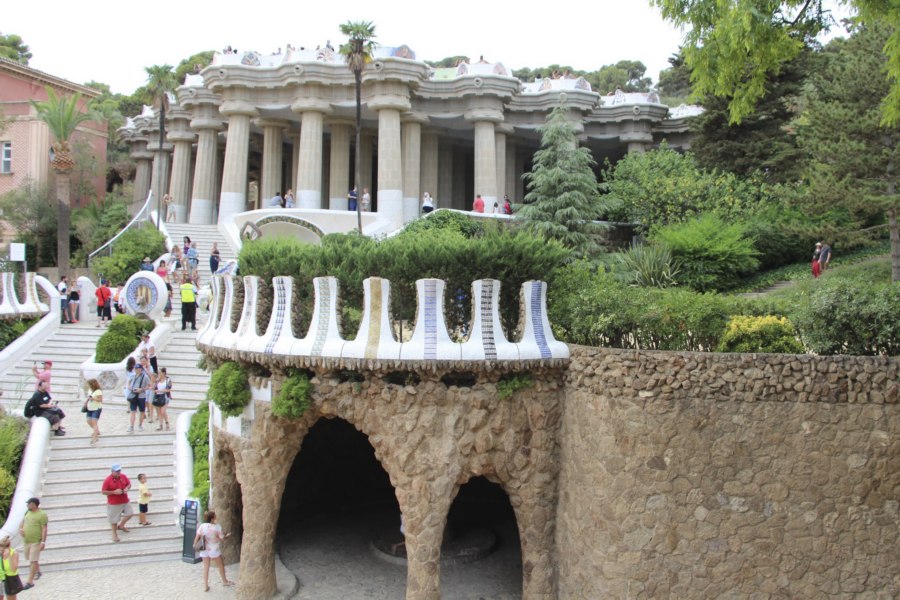
Park Güell is an iconic space in the city of Barcelona, declared UNESCO World Heritage Site which receives a large numbers of visitors each day. Regulating the entry ensures the conservation and maintenance of the monumental heritage, and guarantees a safe visit for neighbors as well as other visitors in the current post health crisis scenario. The Park is open all the year round.

Palace of Catalan Music

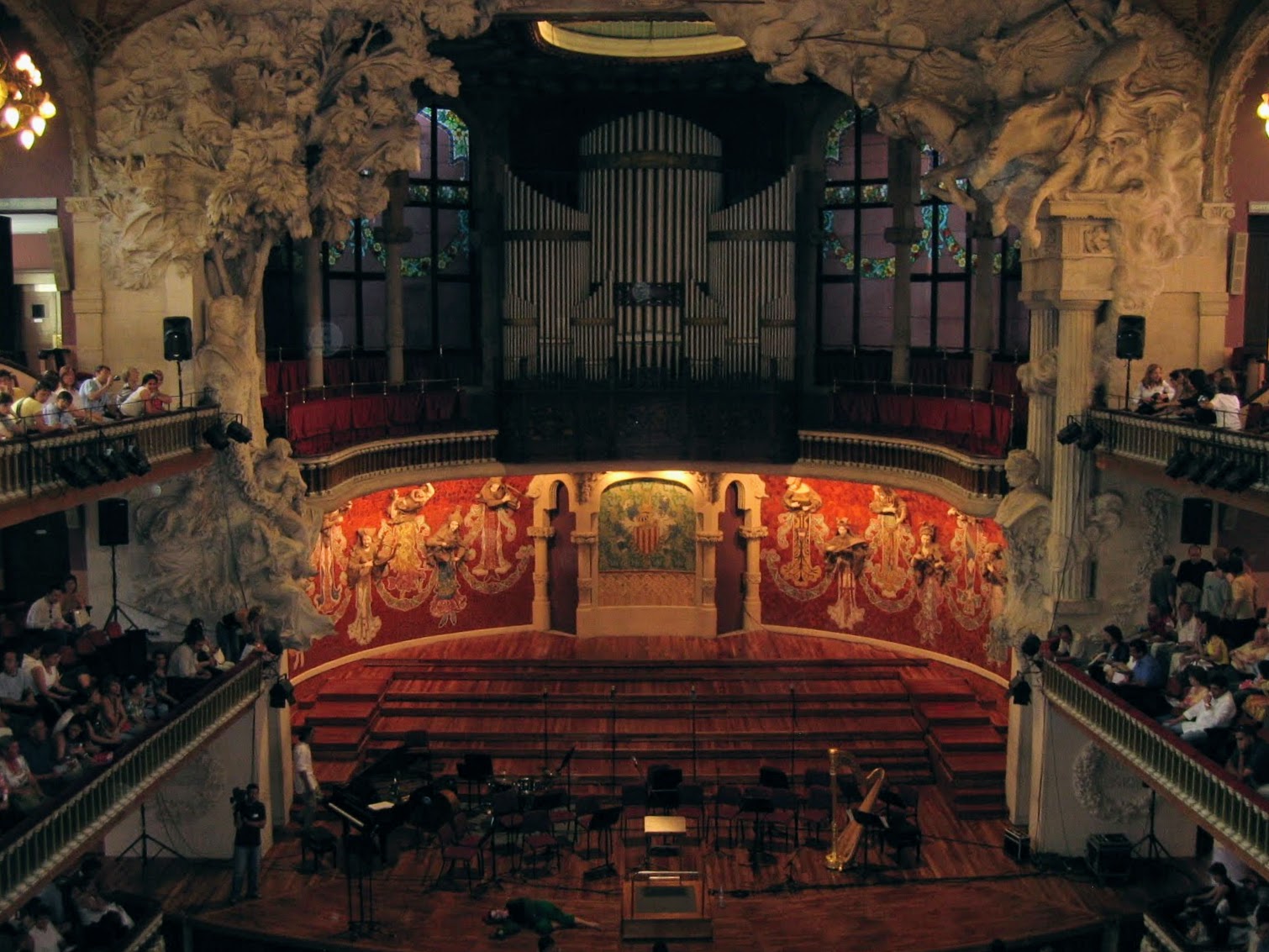
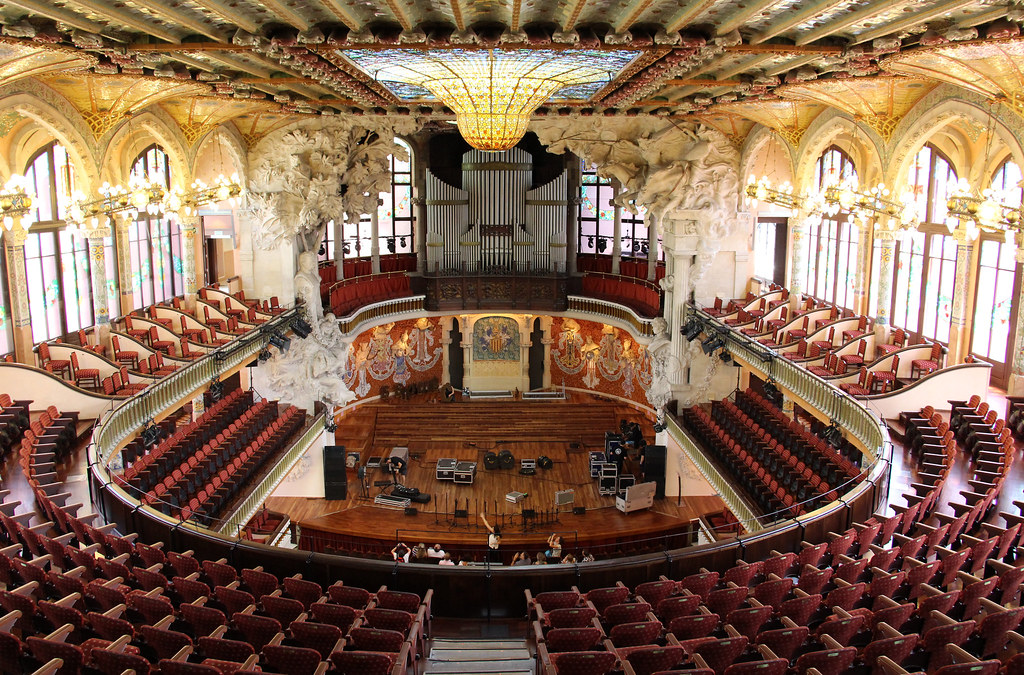
The Palau de la Música Catalana (Palace of Catalan Music) is a concert hall in Barcelona, Spain. It was built between 1905 and 1908 and is considered one of the most important works of Catalan Modernism. The building’s design, by the architect Lluís Domènech i Montaner, is characterized by its use of light and color, and is considered a masterpiece of Art Nouveau architecture.

The interior of the Palau de la Música Catalana is just as stunning as its exterior, with a variety of ornate details including stained glass windows, intricate tile work, and a grand staircase. The concert hall has a capacity of 2,000 people and is home to the Orfeó Català, a choral society that has been active in Barcelona since the late 19th century.

Visitors to the Palau de la Música Catalana can take a guided tour of the building, which provides an opportunity to admire its architecture and learn about its history. The palace is also used for concerts and events, making it a vibrant cultural center in the heart of Barcelona.

visit Palace of Catalan Music

Visiting the Palau de la Música Catalana is a must-do for anyone interested in architecture, music, or the cultural heritage of Barcelona. Here’s how to visit the Palace of Catalan Music:

  1. Book a tour: Guided tours of the Palau de la Música Catalana are available, which typically last around an hour and provide a comprehensive overview of the building’s history and architecture. You can book a tour in advance through the official website or on the day of your visit.
  2. Attend a concert: The Palau de la Música Catalana is still an active concert hall, and visitors can attend performances of classical music, jazz, or flamenco. Check the schedule of concerts and events on the official website to see what’s happening during your visit.
  3. Opening hours: The Palau de la Música Catalana is open to visitors from Monday to Sunday, with tours available at various times throughout the day. Check the official website for the latest information on opening hours and tour schedules.
  4. Location: The Palau de la Música Catalana is located in the heart of Barcelona, near the historic Gothic Quarter. The closest metro station is Urquinaona.
  5. Ticket prices: Prices for tours and concerts vary depending on the type of ticket and the time of day. Check the official website for the latest information on prices and special offers.

Visiting the Palace of Catalan Music is a unique and memorable experience that offers a glimpse into the rich cultural heritage of Barcelona.

Casa Vicens

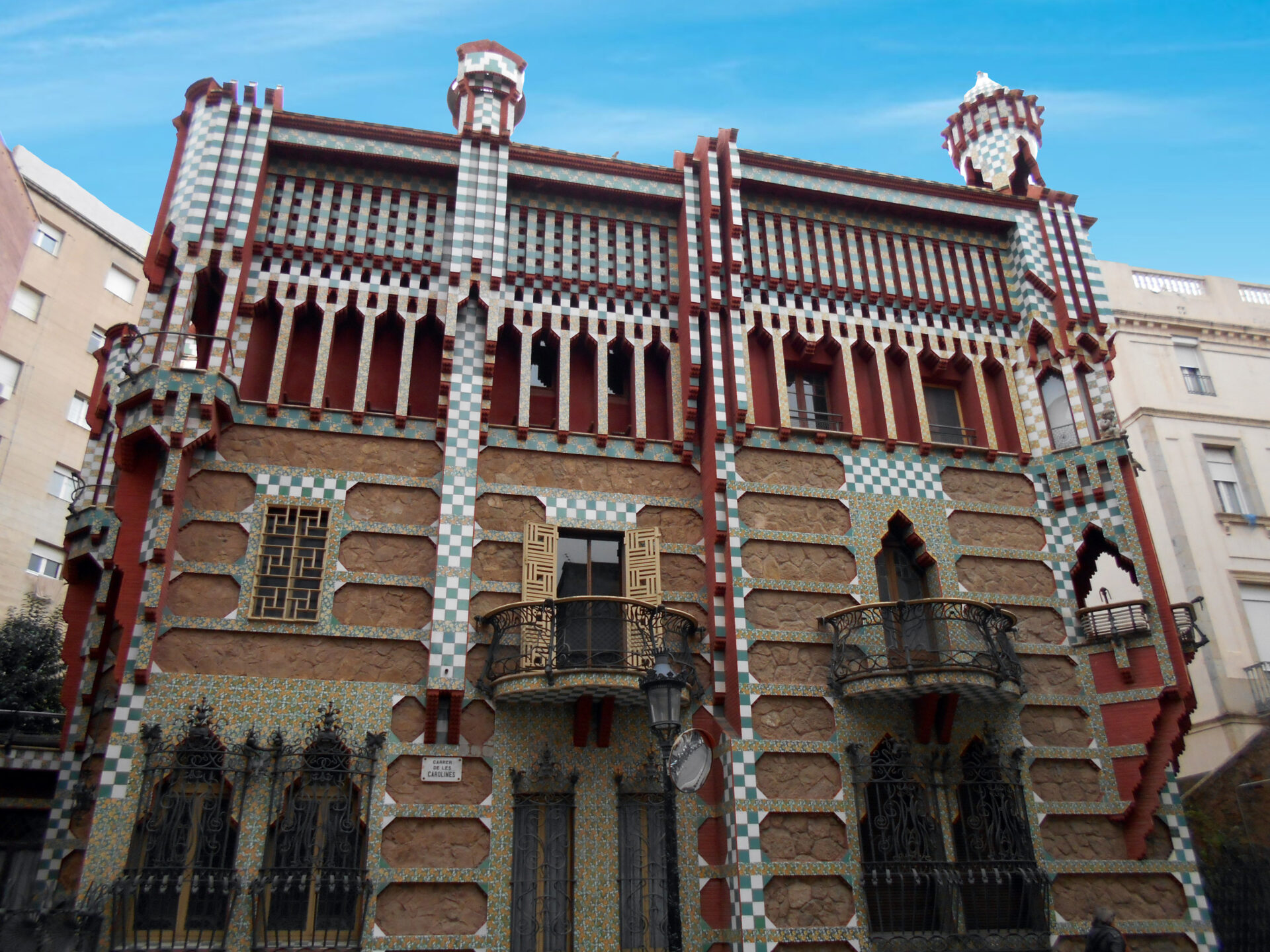
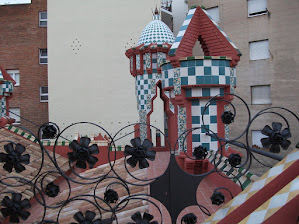
Casa Vicens is a residential building in Barcelona, Spain. It was designed by the architect Antoni Gaudí and built between 1883 and 1885. It is considered one of the first works of Gaudí and a milestone in the history of Catalan architecture. The building features colorful mosaics, curved lines, and organic shapes that are characteristic of Gaudí’s work and the Art Nouveau style. Casa Vicens was declared a UNESCO World Heritage Site in 2005 as part of the “Works of Antoni Gaudí” designation.

Visit Casa Vicens

Visiting Casa Vicens is a great way to experience the work of the famous Spanish architect Antoni Gaudí. The building is open to the public for tours and visits, and here’s how you can go about visiting:

  1. Purchase tickets in advance: Casa Vicens is a popular tourist destination, so it’s a good idea to purchase your tickets in advance to ensure you get a spot on the tour. You can purchase tickets online or at the door, but booking in advance is recommended to avoid disappointment.
  2. Arrive on time: Make sure to arrive at Casa Vicens at the time of your tour. Latecomers may not be admitted, so it’s best to allow plenty of time for travel and arrive a few minutes early.
  3. Guided tour: Casa Vicens offers guided tours in several languages, and a knowledgeable guide will take you through the building, explaining the history and architecture of the building, as well as its significance to Gaudi’s career.
  4. Photography: Photography is permitted inside the building, but without flash.

Casa Vicens is a unique and beautiful building, and visiting it is a must for fans of architecture and art. Keep in mind that the building is a private property and it may close occasionally for special events or renovations. It’s always a good idea to check the official website for updated information on visiting hours and ticket availability.

How to get to Casa Vicens

Casa Vicens is located in the Gràcia neighborhood of Barcelona, Spain, and there are several ways to get there. Here are a few options:

  1. Public transportation: Casa Vicens is easily accessible by public transportation. You can take the metro line 3 (Green Line) and get off at the Fontana Station, which is just a few minutes’ walk from the building. You can also take the bus line 24 and get off at the Gran de Gracia/Nou de la Rambla stop, which is also just a short walk away.
  2. Taxi: Taking a taxi is another convenient option for getting to Casa Vicens. Simply tell the driver your destination and they will take you directly to the building.
  3. Walking: If you’re staying in the city center, you can also walk to Casa Vicens. The building is located about 30 minutes from the center of the city and the walk is a pleasant one, passing through the charming streets of the Gràcia neighborhood.

No matter which option you choose, be sure to allow plenty of time for travel, as traffic and crowds can cause delays. Once you arrive at Casa Vicens, you’ll be able to enjoy this unique and beautiful building, and experience the work of one of Spain’s most famous architects.

Guided tour on Casa Vicens

Casa Vicens is a remarkable building located in Barcelona, Spain. It was designed by the famous Catalan architect Antoni Gaudi and was completed in 1885. The building is considered to be one of Gaudi’s earliest works and is characterized by its oriental-inspired motifs, vivid colors, and unconventional shapes.

Casa Vicens was initially built as a summer house for a wealthy tile manufacturer, and its design reflects Gaudi’s passion for nature and his innovative approach to architecture. The building features curved walls, colorful tile work, and intricate ironwork, which are all typical of Gaudi’s style.

In recent years, Casa Vicens has been restored and opened to the public, allowing visitors to explore the building and learn about Gaudi’s life and work. Guided tours are available, providing in-depth information about the building’s history, architecture, and cultural significance. The tours allow visitors to appreciate the intricate details and innovative design of this historic building, and to gain a deeper understanding of Gaudi’s groundbreaking contributions to architecture.

Visitors are also able to enjoy the beautiful gardens surrounding Casa Vicens, which are considered to be one of Gaudi’s masterpieces. With its lush vegetation, tranquil ponds, and peaceful paths, the gardens provide a peaceful escape from the busy city, and offer a perfect backdrop for exploring the building.

https://casavicens.org/es/

Visit Near

Casa Vicens is located in the Gracia neighborhood of Barcelona, which is a bustling and culturally rich area of the city. There are several notable monuments and tourist attractions located near Casa Vicens, including:

  1. Park Güell: This is another famous work by Antoni Gaudi, and it features a whimsical park filled with mosaics, sculptures, and quirky architectural elements.
  2. La Sagrada Familia: This iconic church is one of Gaudi’s most famous works and is widely considered to be one of the greatest masterpieces of modern architecture.
  3. Casa Batllo: This building is another of Gaudi’s works in Barcelona, and it is known for its colorful façade and imaginative design.
  4. Palau de la Música Catalana: This stunning concert hall is one of Barcelona’s most beautiful buildings, and it is known for its impressive stained-glass skylights and intricate details.
  5. La Rambla: This famous street is a popular tourist destination, and it is lined with street performers, cafes, and shops.

These monuments and tourist attractions are all located within a few kilometers of Casa Vicens, and they provide a fascinating glimpse into the rich cultural heritage of Barcelona.

Arc de Triomf Barcelona

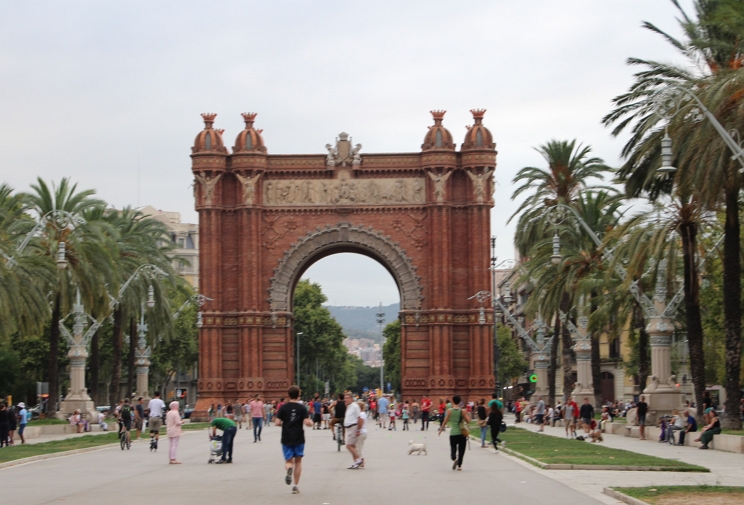
The Arch of Triomph of Barcelona, also known as the Arc de Triomf, is a monumental arch located in the Ciutadella Park of Barcelona, Spain. It was built as the main entrance to the 1888 Barcelona World Fair and is considered a landmark of the city. The arch is made of red brick and has a distinctive horseshoe shape, with a height of 26 meters and a width of 20 meters. It is adorned with intricate details, including sculptures and reliefs, and is considered a masterpiece of Catalan modernism. The Arch of Triumph of Barcelona is a popular tourist attraction and is often used as a symbol of the city. It is also a popular gathering place for local residents and visitors, and is used as the starting point for various cultural and recreational events.

The Arc de Triomf in Barcelona, Spain, was built as the main entrance to the 1888 Barcelona World Fair. It is a triumphal arch located at the end of Passeig de Lluís Companys and is considered one of the most important symbols of the city. The arch is made of red brick and is adorned with intricate carvings and sculptures, including allegorical figures representing Catalonia and the other Spanish regions, as well as scenes from Catalan history and mythology. After the World Fair, the arch was used as the main entrance to the Ciutadella Park, which was built on the site of the fair. In the years that followed, it became an important symbol of the city and was used as a backdrop for various political and cultural events. Today, the Arc de Triomf is one of the most popular tourist attractions in Barcelona and is considered an important part of the city’s cultural heritage.

Visit Arch of triomph

The Arc de Triomf in Barcelona, Spain, is easily accessible by public transportation. The following are the different ways you can arrive at the arch:

  1. By Metro: The closest metro station to the Arc de Triomf is Arc de Triomf station, which is located on Line 1 (Red Line). From there, it is just a short walk to the arch.
  2. By Bus: There are several bus lines that serve the area around the Arc de Triomf, including the H16, V21, and V27.
  3. By Bicycle: There are several bike rental stations near the arch, and the area is well-connected by bike lanes.
  4. By Foot: The Arc de Triomf is located in a pedestrian-friendly area and is within walking distance of many of Barcelona’s main tourist attractions.

No matter how you choose to arrive, the Arc de Triomf is well-signposted and easy to find. The area is also well-served by taxis, so you can take a taxi if you prefer.